



Understanding IB PYP Transdisciplinary Themes (2025): A Complete Educator's Guide
The International Baccalaureate Primary Years Programme (IB PYP) is a transformative, inquiry-based framework designed for students aged 3–12. At its core are six transdisciplinary themes that help students explore real-world issues beyond traditional subject boundaries.
𝟏. 𝐖𝐡𝐚𝐭 𝐀𝐫𝐞 𝐓𝐫𝐚𝐧𝐬𝐝𝐢𝐬𝐜𝐢𝐩𝐥𝐢𝐧𝐚𝐫𝐲 (𝐓𝐃) 𝐓𝐡𝐞𝐦𝐞𝐬?
Transdisciplinary themes in the PYP are broad, globally significant concepts that allow students to explore knowledge across subject areas (language, math, science, social studies, arts, PSPE) in an interconnected way.
Unlike traditional subject-based learning, TD themes encourage students to make real-world connections, fostering deeper understanding and critical thinking.
𝐄𝐱𝐚𝐦𝐩𝐥𝐞: Instead of just learning about the water cycle in science, students explore “Sharing the Planet” by investigating water scarcity, sustainability, and human impact—integrating science, geography, and social responsibility.
The TD themes are central to the PYP because they:
Promote holistic learning by breaking subject silos.
Develop international-mindedness by addressing global issues.
Encourage inquiry-based learning, where students drive their learning through questions.
Support the IB mission to create caring, lifelong learners who take action.
𝐄𝐱𝐚𝐦𝐩𝐥𝐞: A unit under “Who We Are” might explore identity and relationships, helping students understand cultural diversity while developing language (writing biographies) and social studies (comparing family structures).
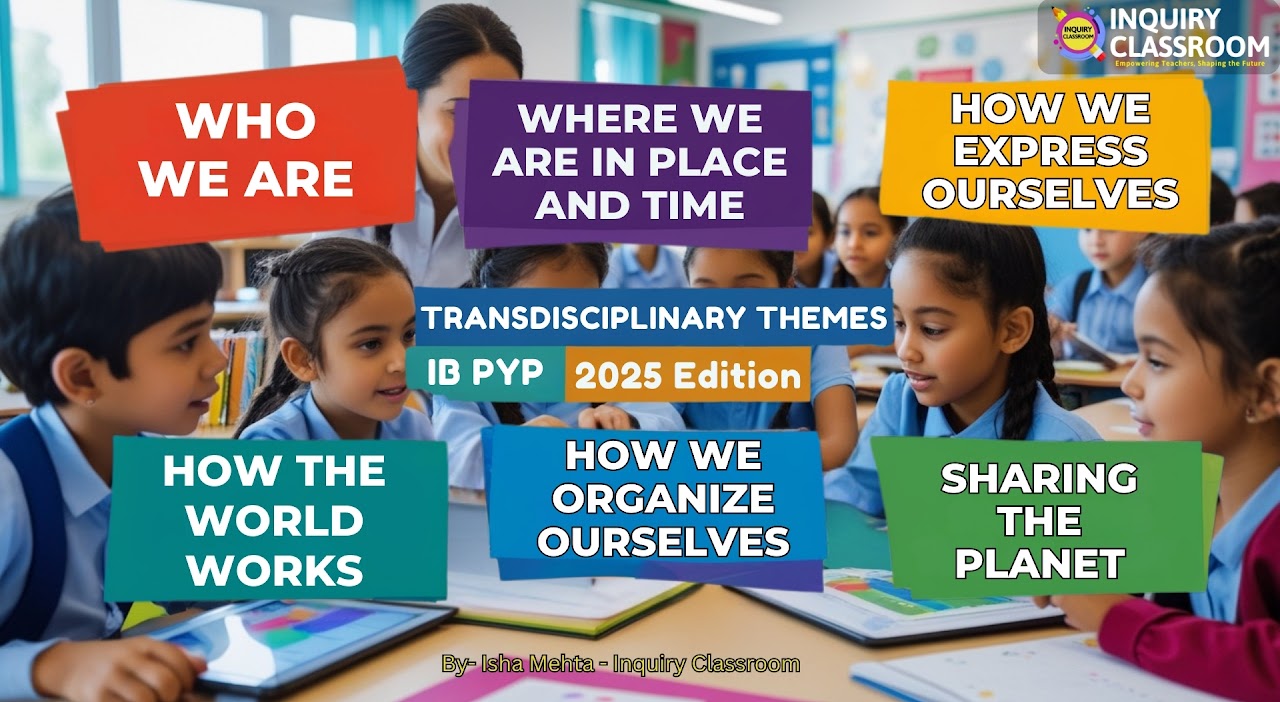
𝟑. 𝐓𝐡𝐞 𝐒𝐢𝐱 𝐔𝐩𝐝𝐚𝐭𝐞𝐝 𝐓𝐫𝐚𝐧𝐬𝐝𝐢𝐬𝐜𝐢𝐩𝐥𝐢𝐧𝐚𝐫𝐲 𝐓𝐡𝐞𝐦𝐞𝐬 (𝐖𝐢𝐭𝐡 𝐃𝐞𝐬𝐜𝐫𝐢𝐩𝐭𝐨𝐫𝐬, 𝐊𝐞𝐲 𝐀𝐬𝐩𝐞𝐜𝐭𝐬 & 𝐄𝐱𝐚𝐦𝐩𝐥𝐞𝐬)
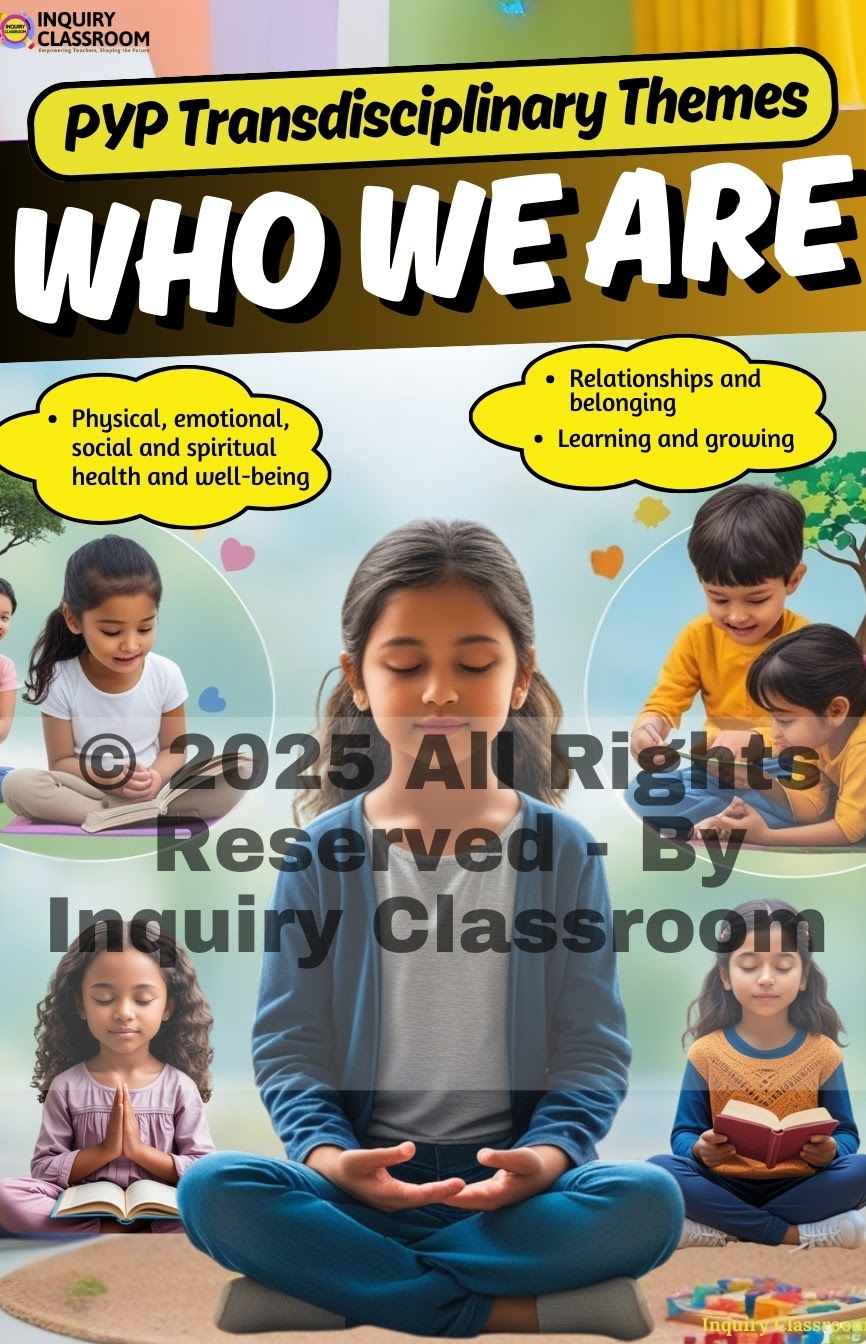
Previous Focus: Earlier, this theme broadly explored identity, family, beliefs, health, and relationships. Many units emphasized personal histories, family trees, cultural identity, and making sense of students’ roles in various communities. There was often a strong focus on self-awareness and understanding one’s immediate environment and values.
𝐔𝐩𝐝𝐚𝐭𝐞𝐝 𝐃𝐞𝐬𝐜𝐫𝐢𝐩𝐭𝐨𝐫: An inquiry into the nature of the self; beliefs and values; personal, physical, mental, social and spiritual health; human relationships including families, friends, communities and cultures; what it means to be human.
𝐊𝐞𝐲 𝐀𝐬𝐩𝐞𝐜𝐭𝐬:
Physical, emotional, social, and spiritual health and well-being
Relationships and belonging
Learning and growing
𝐒𝐡𝐢𝐟𝐭 𝐢𝐧 𝐅𝐨𝐜𝐮𝐬: The updated framework places a stronger emphasis on well-being in a holistic sense, belonging, and growth, not just identity.
This encourages units that support student agency, inclusivity, and emotional intelligence, and promote understanding across cultures and perspectives with deeper social-emotional and reflective components.
𝐂𝐥𝐚𝐬𝐬𝐫𝐨𝐨𝐦 𝐞𝐱𝐚𝐦𝐩𝐥𝐞𝐬 𝐦𝐚𝐲 𝐞𝐱𝐩𝐥𝐨𝐫𝐞: friendship, family structures, emotional expression, cultural celebrations, etc.
𝐄𝐱𝐚𝐦𝐩𝐥𝐞: Students inquire into how different cultures celebrate milestones like birthdays or festivals, integrating social studies, arts, and personal reflections.
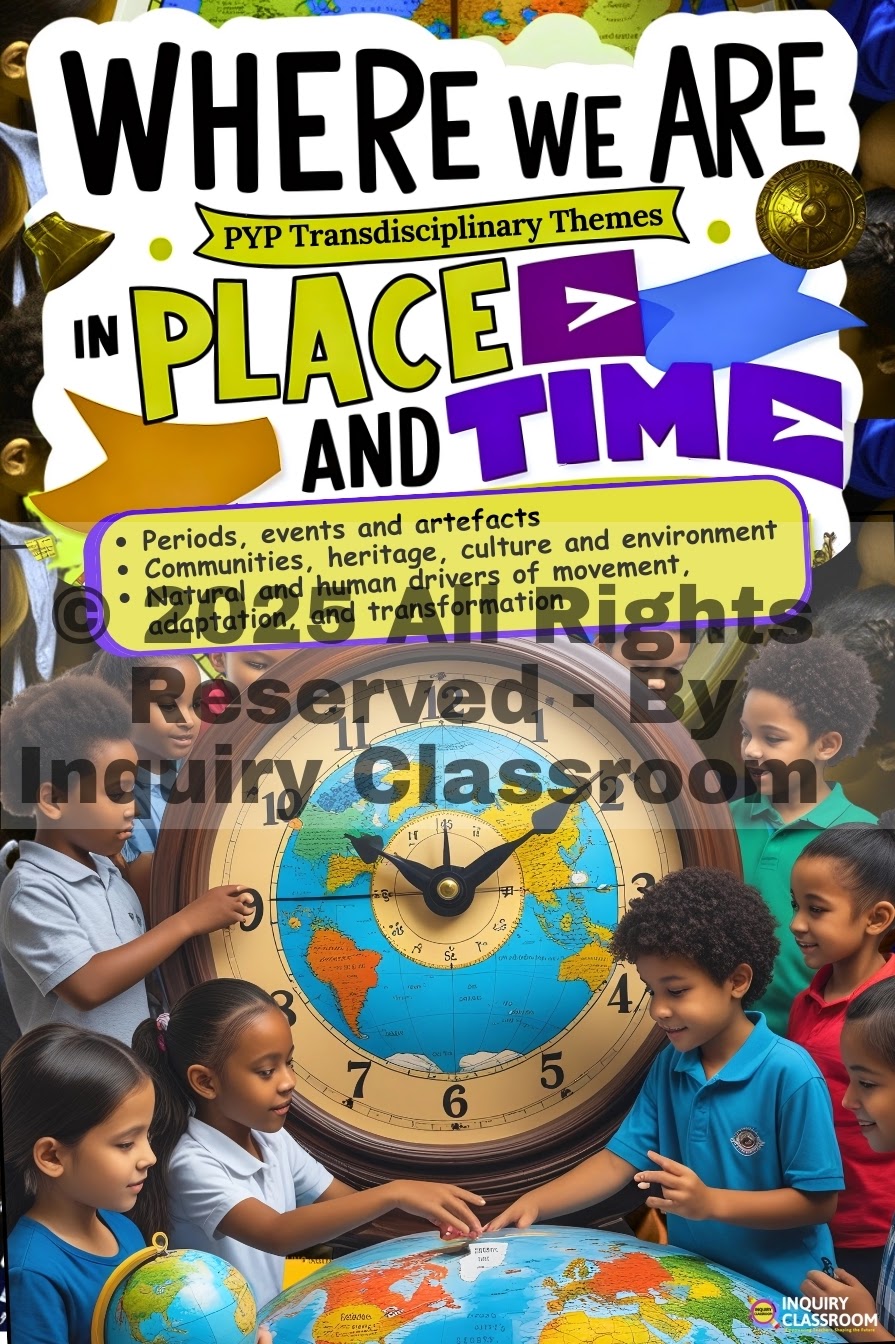
𝐏𝐫𝐞𝐯𝐢𝐨𝐮𝐬 𝐅𝐨𝐜𝐮𝐬: Traditionally, this theme emphasized personal histories, family heritage, and exploration of past events. Units frequently involved learning about timelines, famous explorers, inventions, and life in ancient civilizations, often with a focus on comparing past and present or understanding how the world has changed over time.
𝐔𝐩𝐝𝐚𝐭𝐞𝐝 𝐃𝐞𝐬𝐜𝐫𝐢𝐩𝐭𝐨𝐫: An inquiry into orientation in place and time; personal histories; homes and journeys; the discoveries, explorations and migrations of humankind; the relationships between and the interconnectedness of individuals and civilizations, from local and global perspectives.
𝐊𝐞𝐲 𝐀𝐬𝐩𝐞𝐜𝐭𝐬:
Periods, events, and artefacts
Communities, heritage, culture, and environment
Natural and human drivers of movement, adaptation, and transformation.
𝐒𝐡𝐢𝐟𝐭 𝐢𝐧 𝐅𝐨𝐜𝐮𝐬: The revised framework deepens this theme by emphasizing interconnectedness between people, civilizations, and environments over time. It shifts units from simply retelling history to analyzing the causes and impacts of events, movements, and human decisions. Students are encouraged to think critically about how journeys-physical, cultural, and historical-shape identities and societies today. The addition of natural and human drivers calls for inquiry into why things change or move, not just what happened.
𝐂𝐥𝐚𝐬𝐬𝐫𝐨𝐨𝐦 𝐞𝐱𝐚𝐦𝐩𝐥𝐞𝐬 𝐦𝐚𝐲 𝐞𝐱𝐩𝐥𝐨𝐫𝐞: migration stories, timelines of inventions, ancient civilizations, etc.
𝐄𝐱𝐚𝐦𝐩𝐥𝐞: Students study migration patterns by interviewing family members and mapping their ancestral journeys, integrating geography, math, and language.
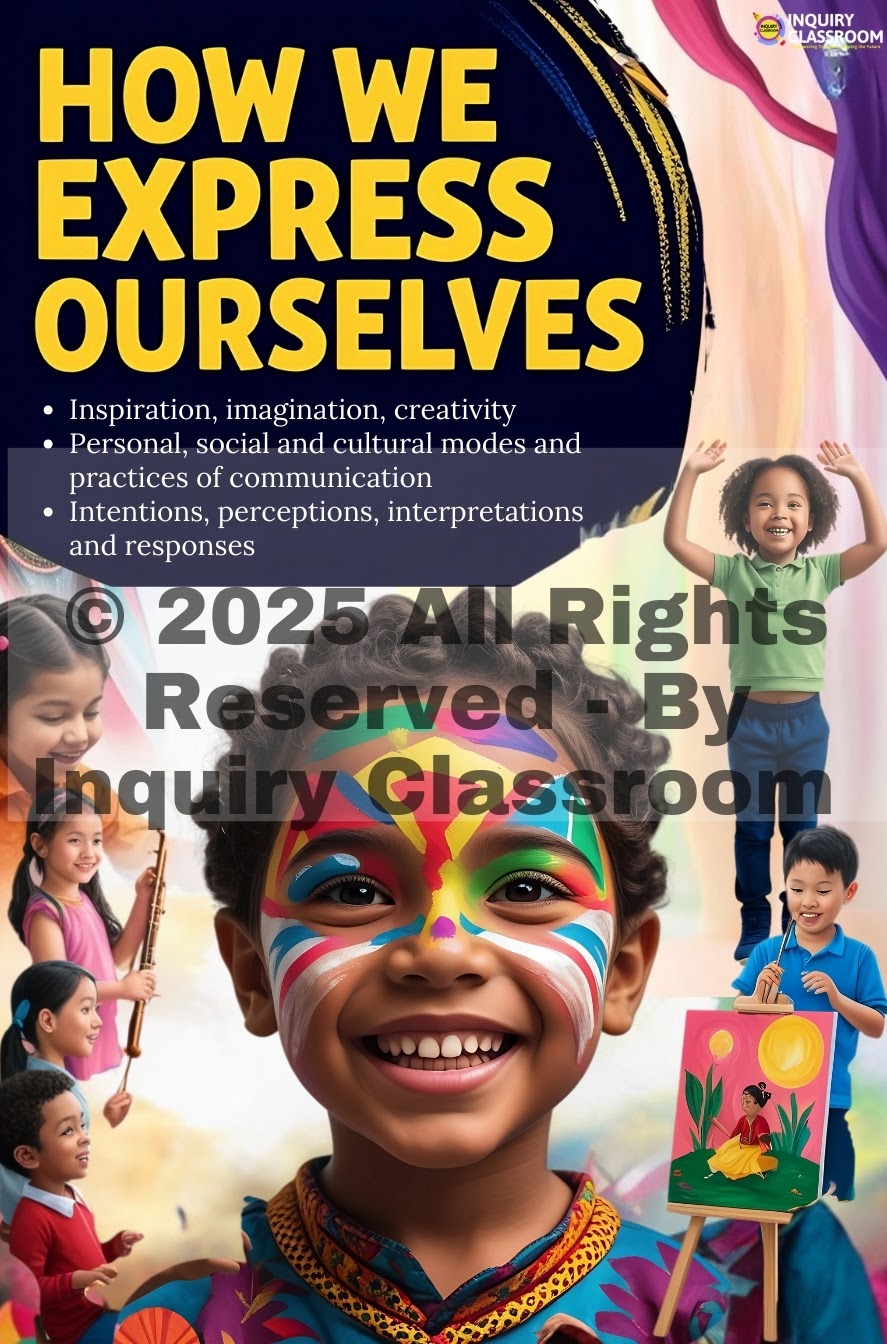
𝐏𝐫𝐞𝐯𝐢𝐨𝐮𝐬 𝐅𝐨𝐜𝐮𝐬: Earlier, this theme emphasized discovering and expressing ideas, feelings, and values through various forms of communication. It aimed to help learners understand how creativity, imagination, and cultural expression contribute to shaping identity and human experience.
𝐔𝐩𝐝𝐚𝐭𝐞𝐝 𝐃𝐞𝐬𝐜𝐫𝐢𝐩𝐭𝐨𝐫: An inquiry into the ways in which we discover and express ideas, feelings, nature, culture, beliefs and values; the ways in which we reflect on, extend and enjoy our creativity; our appreciation of the aesthetic.
𝐊𝐞𝐲 𝐀𝐬𝐩𝐞𝐜𝐭𝐬:
Inspiration, imagination, creativity
Personal, social and cultural modes and practices of communication
Intentions, perceptions, interpretations and responses
𝐒𝐡𝐢𝐟𝐭 𝐢𝐧 𝐅𝐨𝐜𝐮𝐬: In the updated framework, the theme deepens its emphasis on personal, social, and cultural expressions by recognizing not only the modes of expression but also the intentions, perceptions, and interpretations behind them.
It encourages learners to reflect more critically and creatively, appreciating both the process and purpose of communication and aesthetic experiences in diverse contexts.
𝐂𝐥𝐚𝐬𝐬𝐫𝐨𝐨𝐦 𝐞𝐱𝐚𝐦𝐩𝐥𝐞𝐬 𝐦𝐚𝐲 𝐞𝐱𝐩𝐥𝐨𝐫𝐞: storytelling, musical expression, digital art, drama, etc.
𝐄𝐱𝐚𝐦𝐩𝐥𝐞: Students explore poetry from around the world and write their own to express emotions and cultural identity, integrating language, arts, and PSPE.
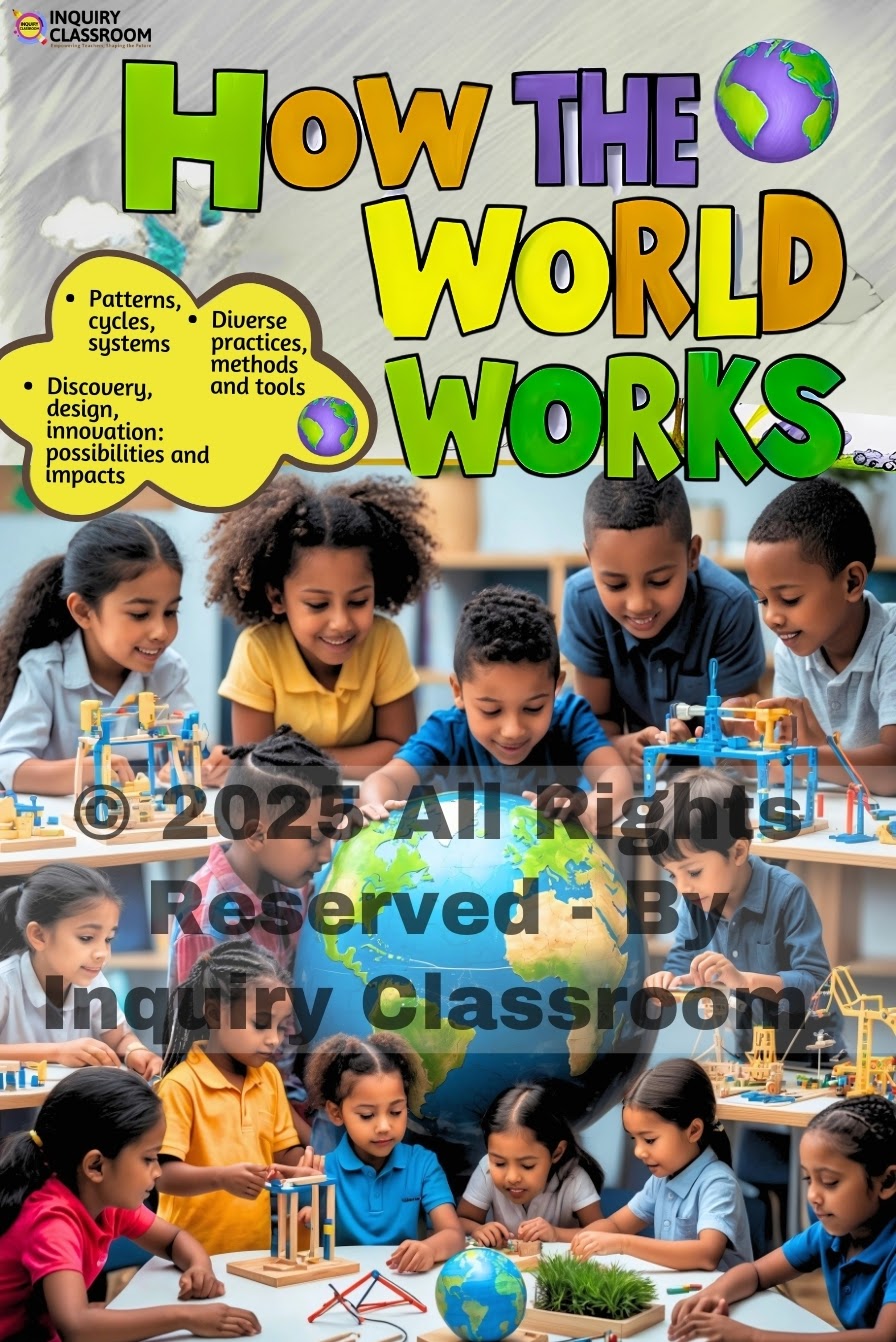
𝐏𝐫𝐞𝐯𝐢𝐨𝐮𝐬 𝐅𝐨𝐜𝐮𝐬: Traditionally, this theme focused on exploring the natural world, scientific laws, and phenomena. Learners inquired into how things work, examining natural processes like weather systems, life cycles, or simple machines. The emphasis was largely on scientific exploration and understanding cause-effect relationships through observation and experimentation.
𝐔𝐩𝐝𝐚𝐭𝐞𝐝 𝐃𝐞𝐬𝐜𝐫𝐢𝐩𝐭𝐨𝐫: An inquiry into the natural world and its laws; the interaction between the natural world (physical and biological) and human societies; how humans use their understanding of scientific principles; the impact of scientific and technological advances on society and the environment.
𝐊𝐞𝐲 𝐀𝐬𝐩𝐞𝐜𝐭𝐬:
Patterns, cycles, systems
Diverse practices, methods and tools
Discovery, design, innovation: possibilities and impacts
𝐒𝐡𝐢𝐟𝐭 𝐢𝐧 𝐅𝐨𝐜𝐮𝐬: The revised theme places greater importance on interactions between science and society, including how humans apply scientific understanding to impact their surroundings.
The inclusion of design, innovation, and technology reflects a more interdisciplinary lens, urging students to investigate not only the what and how, but also the why and what next. It also encourages critical thinking about the possibilities and consequences of human innovation.
𝐂𝐥𝐚𝐬𝐬𝐫𝐨𝐨𝐦 𝐞𝐱𝐚𝐦𝐩𝐥𝐞𝐬 𝐦𝐚𝐲 𝐞𝐱𝐩𝐥𝐨𝐫𝐞: life cycles, robotics, weather patterns, scientific discoveries, etc.
𝐄𝐱𝐚𝐦𝐩𝐥𝐞: Instead of just learning about volcanoes, students explore how natural disasters impact communities and how science and technology help us respond, integrating science, geography, and social studies.
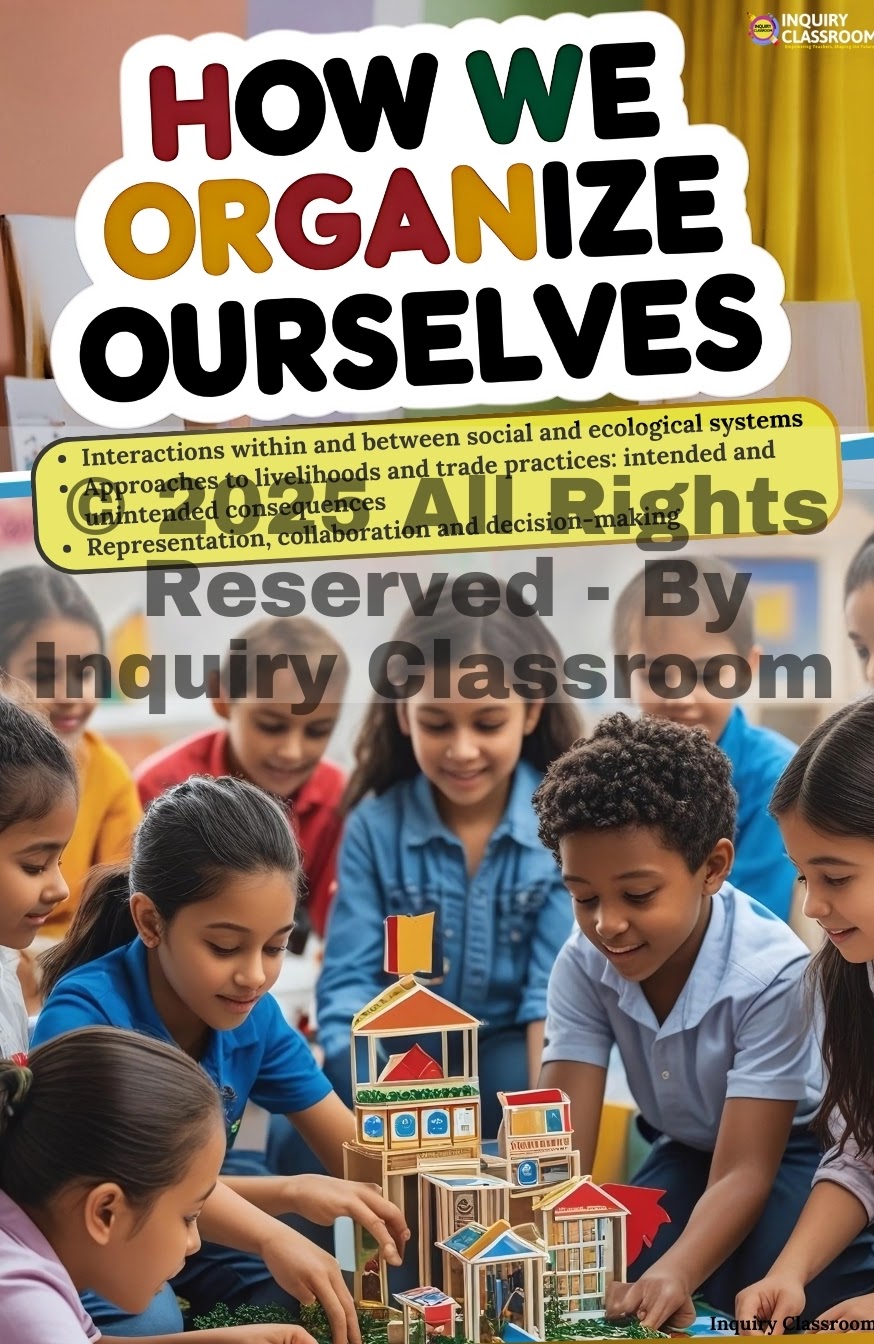
𝐏𝐫𝐞𝐯𝐢𝐨𝐮𝐬 𝐅𝐨𝐜𝐮𝐬: Traditionally, this theme guided students to explore human-made systems and communities, including how people create structures (such as governments, transport, or education) to support daily living. The focus was often on roles, responsibilities, and functions of systems within communities, as well as how organizations operate to meet human needs.
𝐔𝐩𝐝𝐚𝐭𝐞𝐝 𝐃𝐞𝐬𝐜𝐫𝐢𝐩𝐭𝐨𝐫: An inquiry into the interconnectedness of human-made systems and communities; the structure and function of organizations; societal decision-making; economic activities and their impact on humankind and the environment.
𝐊𝐞𝐲 𝐀𝐬𝐩𝐞𝐜𝐭𝐬:
Interactions within and between social and ecological systems
Approaches to livelihoods and trade practices: intended and unintended consequences
Representation, collaboration, and decision-making
𝐒𝐡𝐢𝐟𝐭 𝐢𝐧 𝐅𝐨𝐜𝐮𝐬:The updated perspective broadens this inquiry to consider the interconnectedness between social and ecological systems. There is a deeper emphasis on economic activities, trade practices, and their intentional and unintentional impacts on both humankind and the environment. It encourages students to think critically about representation, equity, and decision-making, and how local choices can have global consequences.
𝐂𝐥𝐚𝐬𝐬𝐫𝐨𝐨𝐦 𝐞𝐱𝐚𝐦𝐩𝐥𝐞𝐬 𝐦𝐚𝐲 𝐞𝐱𝐩𝐥𝐨𝐫𝐞: government systems, supply chains, banking, student councils, etc.
𝐄𝐱𝐚𝐦𝐩𝐥𝐞: Students create a classroom economy to learn about production, trade, and financial decision-making, integrating math, economics, and social studies.
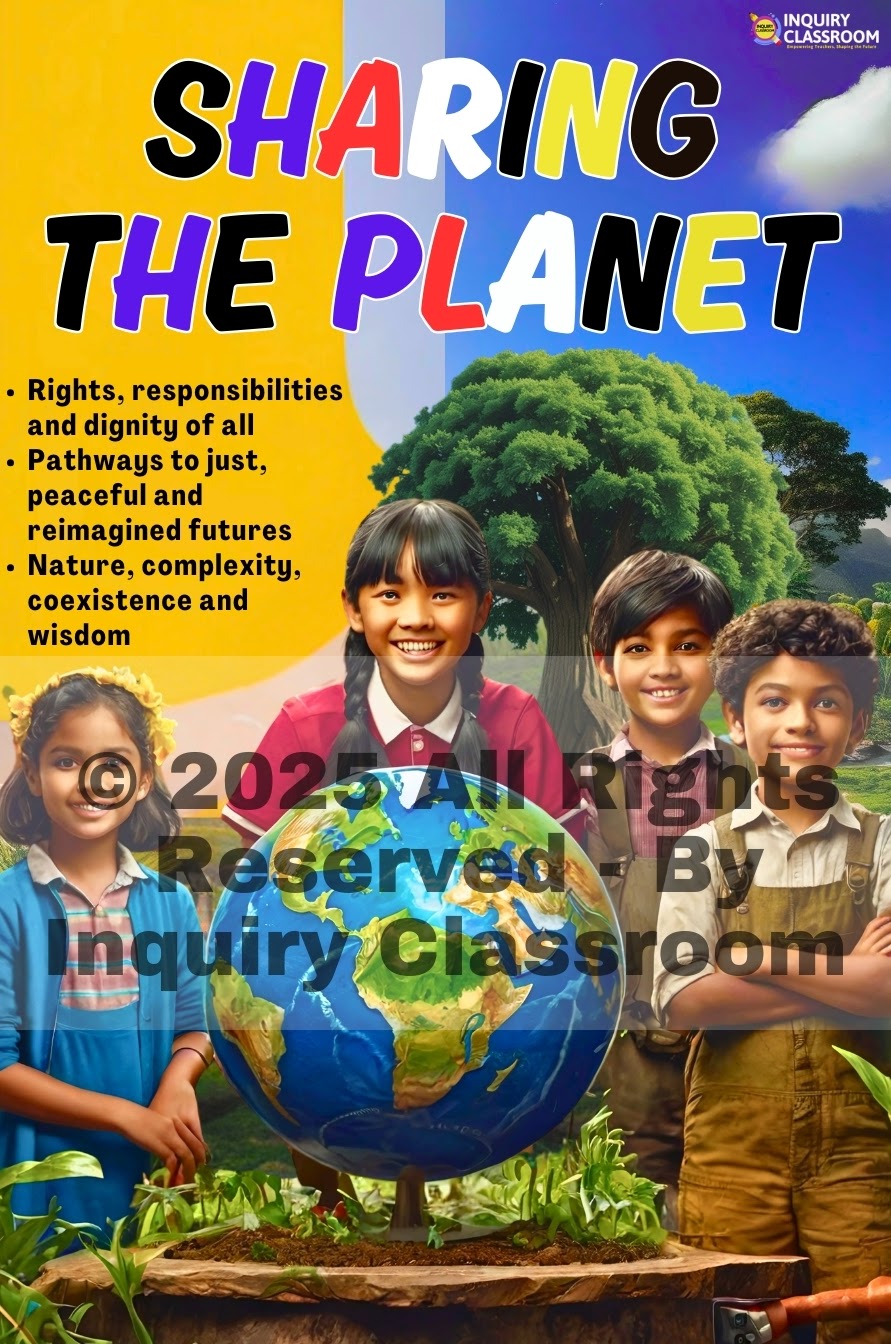
𝐏𝐫𝐞𝐯𝐢𝐨𝐮𝐬 𝐅𝐨𝐜𝐮𝐬: In earlier approaches, this theme often centered on understanding conflicts over resources, environmental issues, and our responsibilities towards other living things. Students explored topics such as endangered species, pollution, conservation, and peaceful coexistence, focusing largely on humans’ relationship with the environment and equitable resource sharing.
𝐔𝐩𝐝𝐚𝐭𝐞𝐝 𝐃𝐞𝐬𝐜𝐫𝐢𝐩𝐭𝐨𝐫: An inquiry into rights and responsibilities in the struggle to share finite resources with other people and with other living things; communities and the relationships within and between them; access to equal opportunities; peace and conflict resolution.
𝐊𝐞𝐲 𝐀𝐬𝐩𝐞𝐜𝐭𝐬:
Rights, responsibilities and dignity of all
Pathways to just, peaceful and reimagined futures
Nature, complexity, coexistence and wisdom
𝐒𝐡𝐢𝐟𝐭 𝐢𝐧 𝐅𝐨𝐜𝐮𝐬: The current perspective deepens the theme by emphasizing human dignity, peace-building, and justice within ecological and social contexts. It broadens from a solely environmental focus to include interpersonal and societal dynamics, access to equal opportunities, and ways of coexisting that recognize the wisdom of diverse communities. Students are encouraged to think about complex global challenges and explore solutions that promote justice, equity, and sustainable peace.
𝐂𝐥𝐚𝐬𝐬𝐫𝐨𝐨𝐦 𝐞𝐱𝐚𝐦𝐩𝐥𝐞𝐬 𝐦𝐚𝐲 𝐞𝐱𝐩𝐥𝐨𝐫𝐞: endangered species, clean water access, social justice, etc.
𝐄𝐱𝐚𝐦𝐩𝐥𝐞: Instead of just learning about the water cycle in science, students explore “Sharing the Planet” by investigating water scarcity, sustainability, and human impact—integrating science, geography, and social responsibility.
To embed these themes meaningfully:
Plan collaboratively across disciplines to identify authentic connections.
Use provocative central ideas to spark curiosity and inquiry.
Facilitate student agency by allowing learners to choose, act, and reflect on their learning paths.
Connect learning to local and global contexts to make it relevant and purposeful.
Assessment in PYP is continuous and formative. When reflecting on TD theme integration:
Use student reflections and self-assessments to monitor understanding of central ideas.
Assess transdisciplinary skills like critical thinking, collaboration, and communication.
Collect evidence of action—how students apply their learning to improve self or community.
Use rubrics aligned with the learner profile attributes and key concepts.
The revised transdisciplinary themes reaffirm the IB’s commitment to holistic, inquiry-driven education. By aligning planning, teaching, and assessment with these themes, educators ensure that learners engage in authentic, meaningful, and globally-minded inquiries.
Empowered by the themes, students not only gain knowledge but develop the values and skills necessary to thrive as internationally minded individuals and responsible global citizens.
Grab these colorful and vibrant TD Themes posters set for your classroom, Visit the link:
𝐘𝐨𝐮 𝐜𝐚𝐧 𝐣𝐨𝐢𝐧 𝐨𝐮𝐫 (𝐈𝐧𝐪𝐮𝐢𝐫𝐲 𝐂𝐥𝐚𝐬𝐬𝐫𝐨𝐨𝐦) 𝐖𝐡𝐚𝐭𝐬𝐀𝐩𝐩 𝐜𝐨𝐦𝐦𝐮𝐧𝐢𝐭𝐲 𝐟𝐨𝐫 𝐏𝐘𝐏 𝐞𝐝𝐮𝐜𝐚𝐭𝐨𝐫𝐬 𝐚𝐫𝐨𝐮𝐧𝐝 𝐭𝐡𝐞 𝐰𝐨𝐫𝐥𝐝 𝐭𝐨 𝐥𝐞𝐚𝐫𝐧 𝐚𝐧𝐝 𝐬𝐡𝐚𝐫𝐞 𝐢𝐝𝐞𝐚𝐬. 𝐉𝐨𝐢𝐧𝐢𝐧𝐠 𝐋𝐢𝐧𝐤-
𝐈𝐟 𝐲𝐨𝐮 𝐰𝐚𝐧𝐭 𝐭𝐨 𝐣𝐨𝐢𝐧 𝐦𝐞 𝐢𝐧 𝐦𝐲 𝐮𝐩𝐜𝐨𝐦𝐢𝐧𝐠 𝐰𝐞𝐛𝐢𝐧𝐚𝐫 𝐨𝐧 “Assessment 𝐢𝐧 𝐏𝐘𝐏,” 𝐲𝐨𝐮 𝐜𝐚𝐧 𝐫𝐞𝐠𝐢𝐬𝐭𝐞𝐫 𝐚𝐧𝐝 𝐠𝐞𝐭 𝐦𝐨𝐫𝐞 𝐝𝐞𝐭𝐚𝐢𝐥𝐬 𝐡𝐞𝐫𝐞:Register Here