



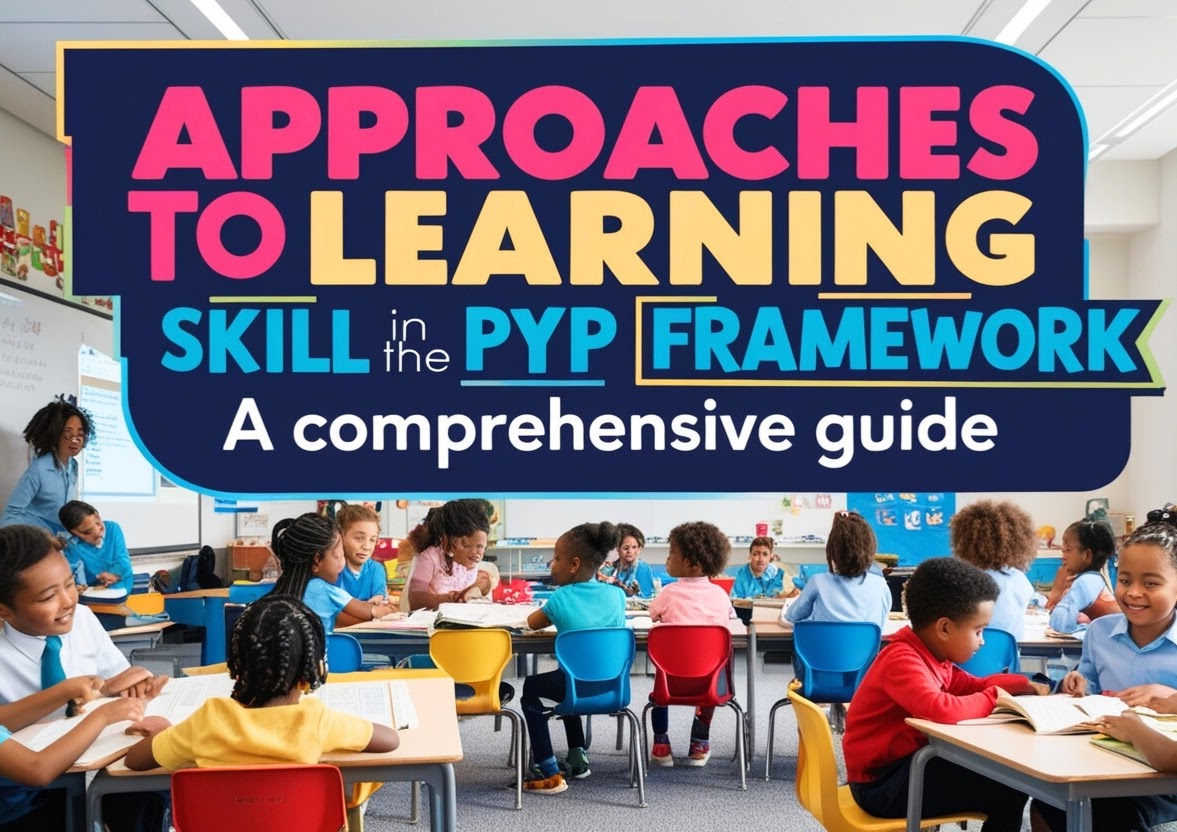
The International Baccalaureate (IB) Primary Years Programme (PYP) emphasizes the development of Approaches to Learning (ATL) skills as a fundamental component of its educational framework. These skills are designed to help students “learn how to learn” by fostering critical thinking, self-management, research, communication, and social competencies. This article provides a comprehensive overview of each ATL skill category, its importance within the PYP framework, and practical strategies for educators to implement these skills effectively in the classroom.
Understanding ATL Skills
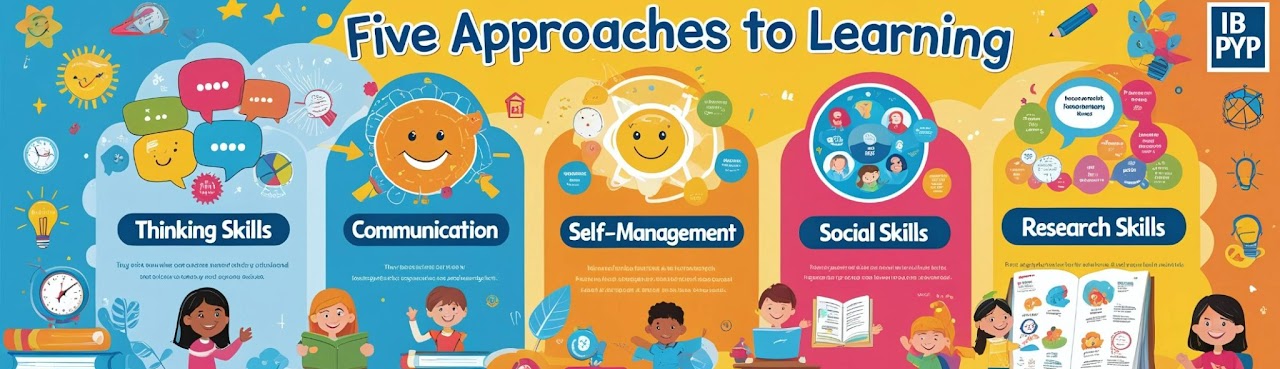
Thinking Skills
Communication Skills
Social Skills
Self-Management Skills
Research Skills
1. Thinking Skills
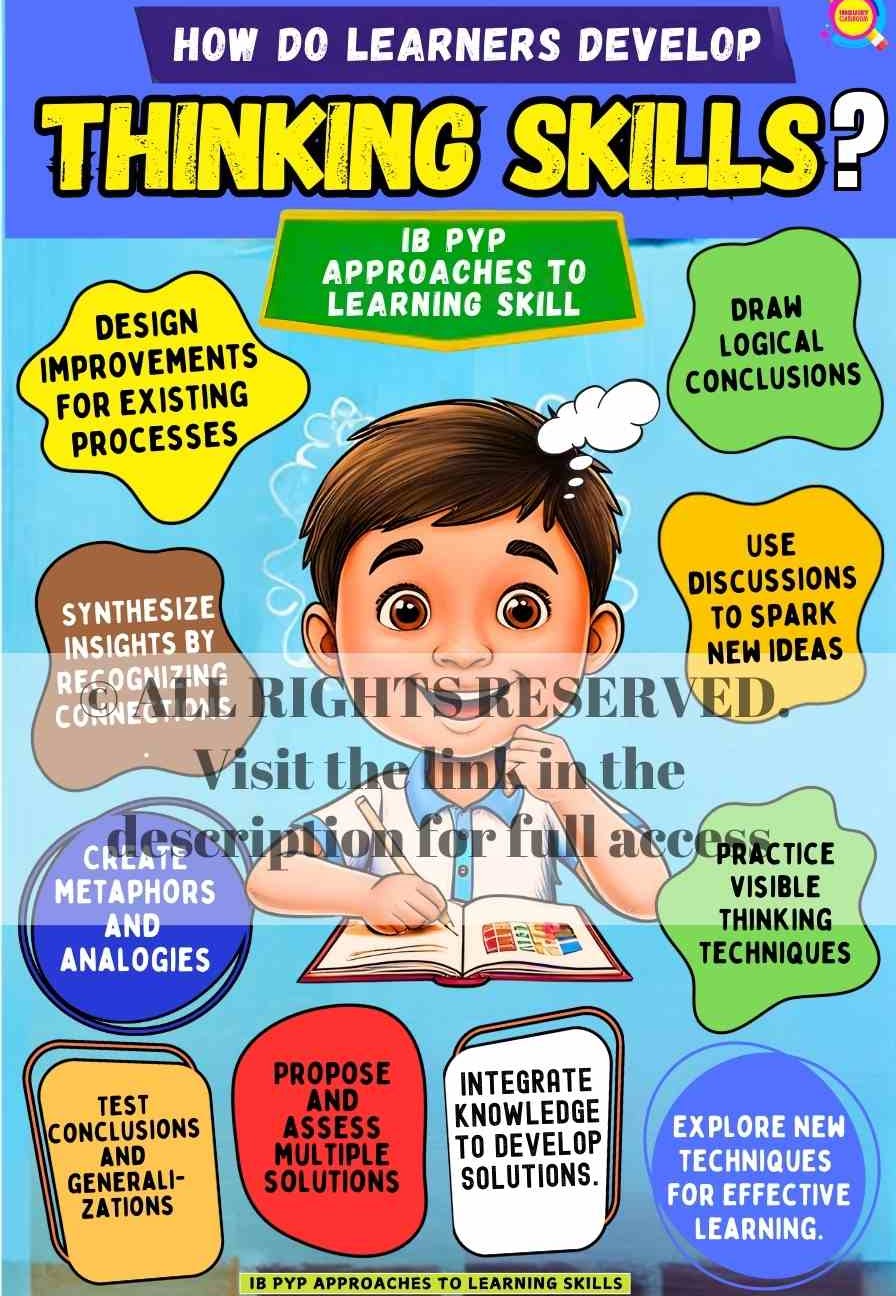
Definition: Thinking skills involve critical and creative thinking, problem-solving, and the ability to analyze and evaluate information.
Importance: These skills enable students to approach complex problems with innovative solutions and reflective thinking. They are crucial for developing independent, lifelong learners who can adapt to various challenges
Critical Thinking Activities: Use open-ended questions and scenarios that require students to think critically and justify their responses.
Creative Thinking Projects: Encourage students to brainstorm and develop creative solutions to real-world problems.
Problem-Solving Tasks: Integrate puzzles and case studies that require analytical thinking and decision-making.
2. Communication Skills
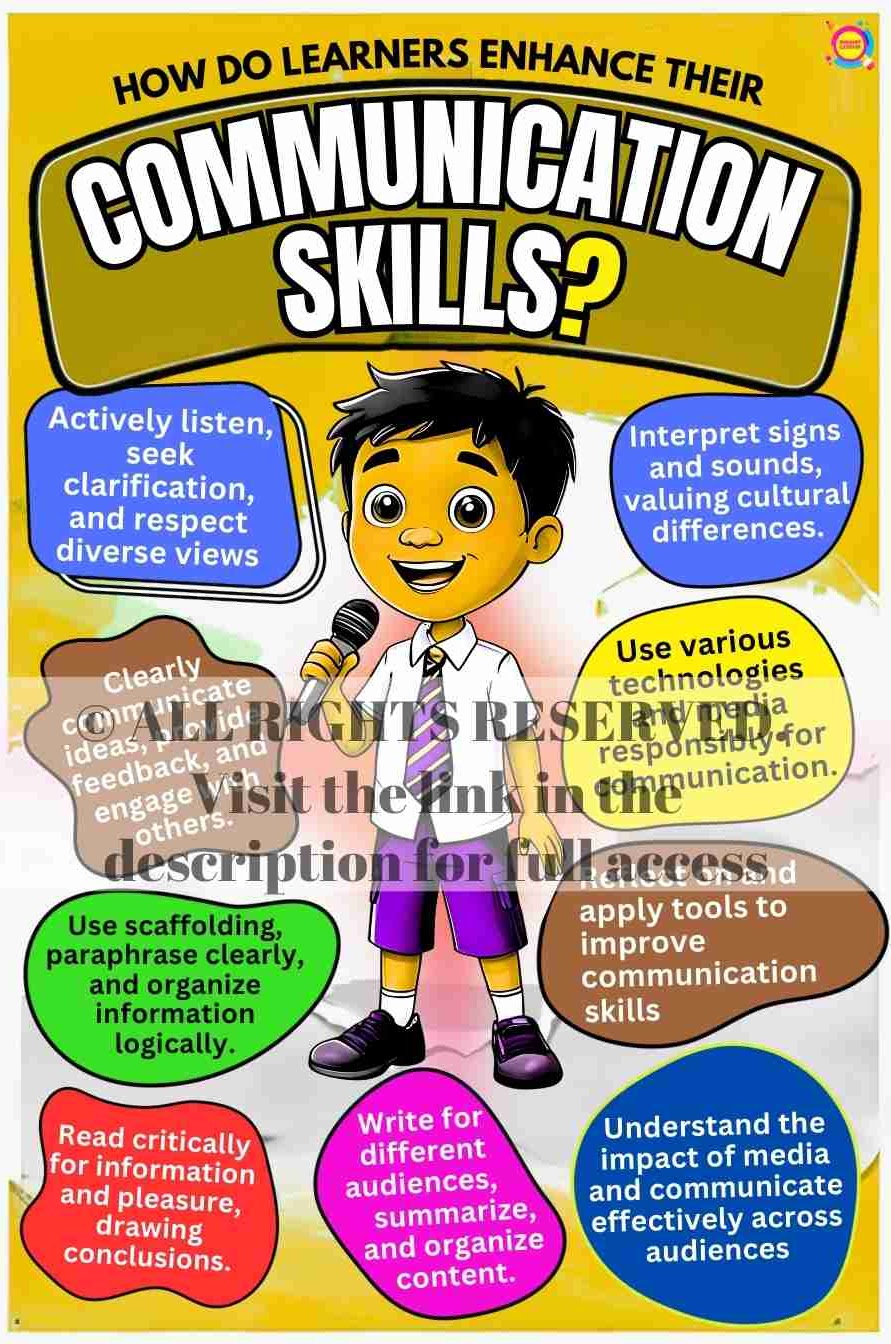
Definition: Communication skills encompass the ability to express ideas clearly and effectively, both verbally and in writing, as well as active listening and collaboration.
Importance: Effective communication is essential for sharing knowledge, collaborating with peers, and engaging in meaningful discussions.
Classroom Discussions: Facilitate regular group discussions and debates on various topics.
Presentation Skills: Assign projects that require students to present their findings to the class.
Listening Exercises: Conduct activities that focus on active listening and constructive feedback.
3. Social Skills
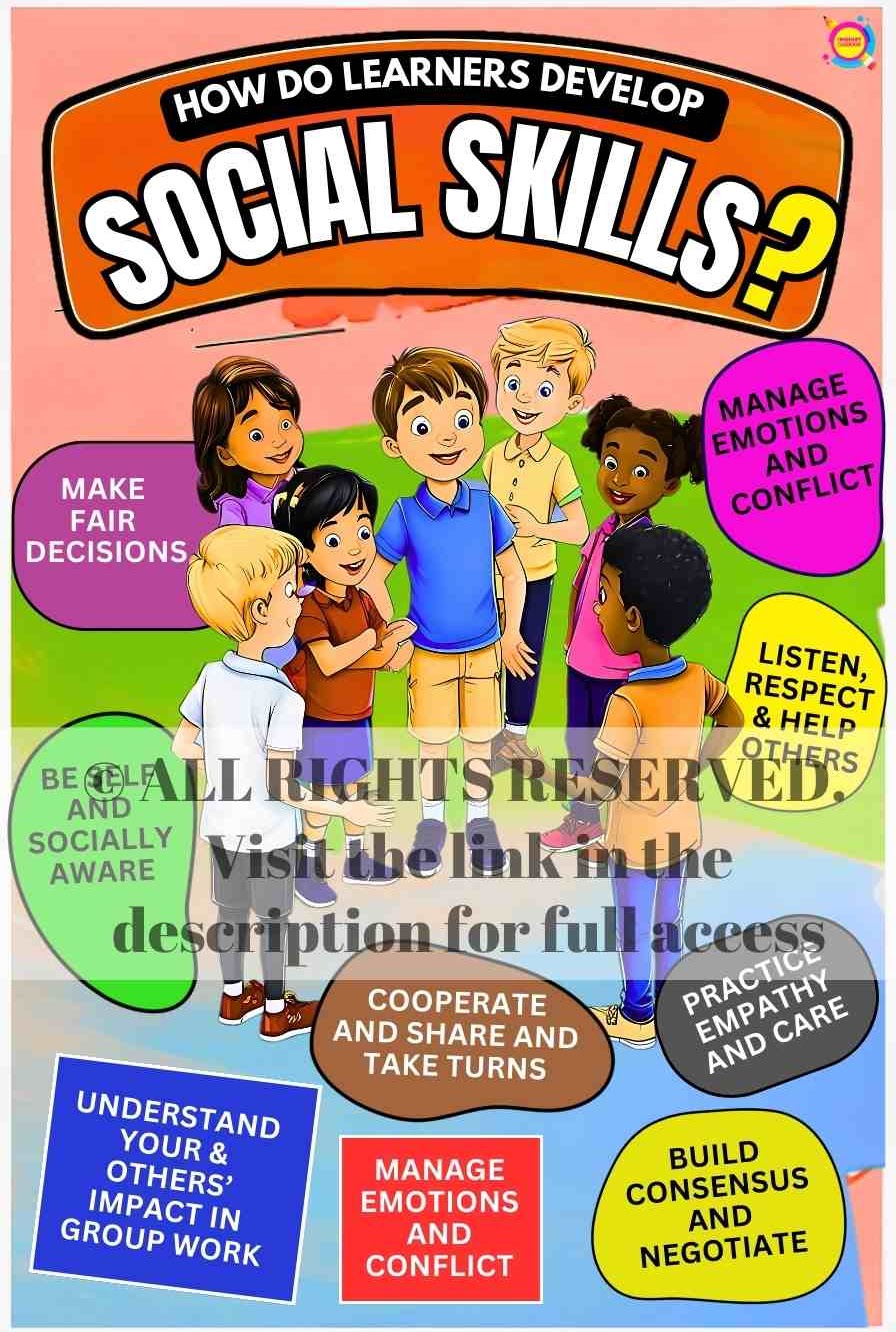
Definition: Social skills involve interacting effectively with others, building relationships, and understanding diverse perspectives.
Importance: These skills help students work collaboratively, develop empathy, and build positive interpersonal relationships.
Group Projects: Encourage teamwork through collaborative projects and group assignments.
Role-Playing Activities: Use role-playing scenarios to teach empathy and conflict resolution.
Peer Support Programs: Implement buddy systems where students support and mentor each other.
4. Self-Management Skills
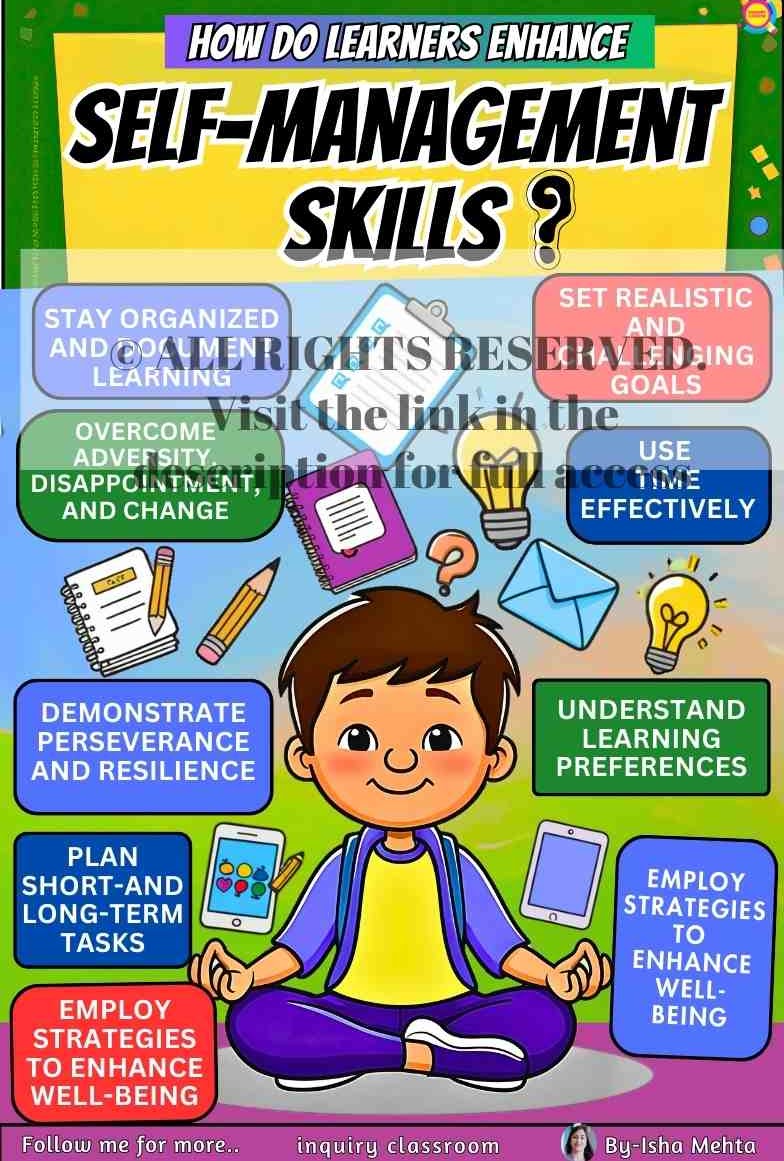
Definition: Self-management skills include organization, time management, goal-setting, and the ability to regulate emotions and behaviors.
Importance: These skills are essential for students to manage their learning processes, stay organized, and handle stress effectively.
Goal-Setting Workshops: Guide students in setting and tracking their academic and personal goals.
Time Management Tools: Provide planners and schedules to help students manage their time efficiently.
Mindfulness Practices: Incorporate mindfulness and stress-relief activities into the daily routine.
5. Research Skills
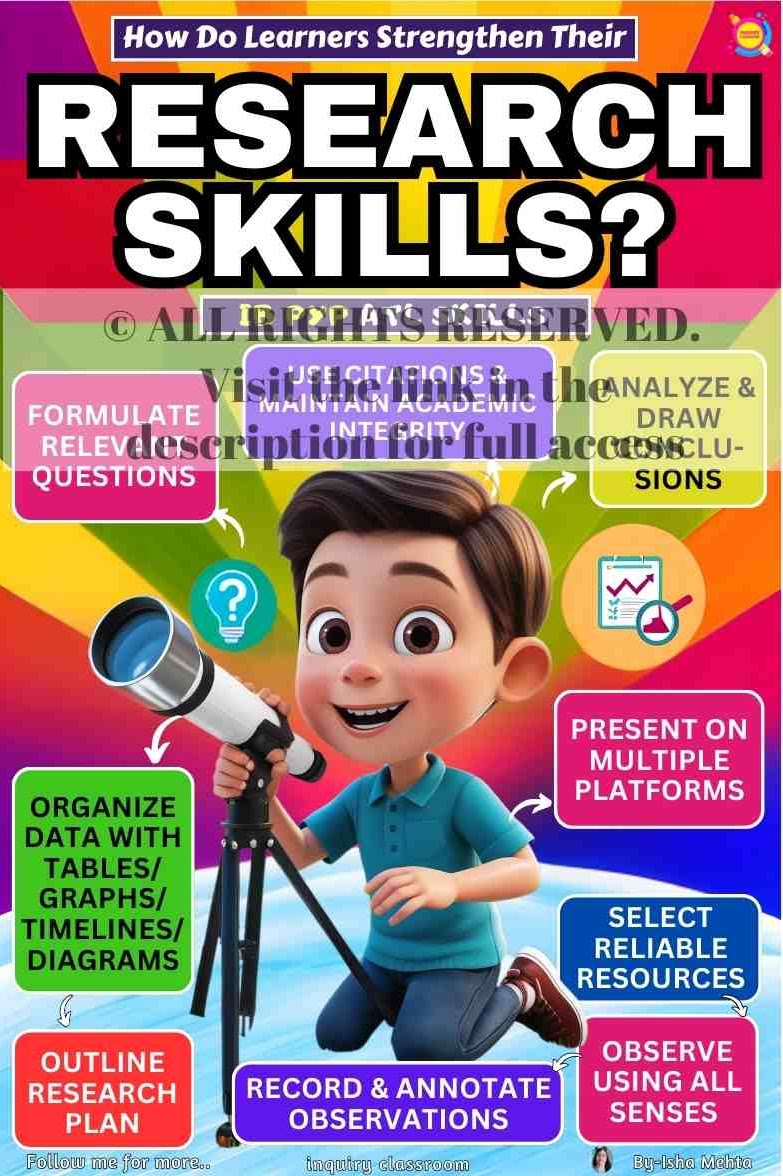
Definition: Research skills involve the ability to locate, evaluate, and use information effectively for various purposes.
Importance: These skills enable students to conduct independent inquiries, enhance their understanding, and develop a love for learning.
Information Literacy Lessons: Teach students how to find and evaluate credible sources of information.
Inquiry-Based Projects: Design projects that require students to conduct research and present their findings.
Documentation and Citation: Instruct students on proper documentation and citation practices to avoid plagiarism.
The PYP framework emphasizes transdisciplinary learning, where ATL skills are integrated across various subject areas and learning experiences. This approach helps students make connections between different areas of knowledge and apply their skills in diverse contexts.
Unit of Inquiry: A unit on environmental sustainability can integrate research skills (gathering data on pollution), thinking skills (analyzing the impact of human activities), and communication skills (presenting findings to the class).
Regular assessment and reflection are crucial for the development of ATL skills. Educators should use formative assessments to provide feedback and encourage students to reflect on their learning processes.
Example:
Reflective Journals: Students can maintain journals where they document their learning experiences, the skills they used, and areas for improvement.

Activity: Design a project where students create a solution for reducing plastic waste in their community.
Critical Thinking: Students analyze the sources and impact of plastic waste.
Creative Thinking: Students brainstorm innovative ways to reduce plastic usage.
Problem-Solving: Students develop and present a feasible action plan.
Activity: Organize a class debate on a current event topic.
Verbal Communication: Students articulate their viewpoints and arguments.
Active Listening: Students listen to opposing views and respond thoughtfully.
Collaboration: Students work in teams to prepare their arguments.
Conclusion
The development of ATL skills is essential for fostering independent, lifelong learners who can thrive in a rapidly changing world. By integrating these skills into the PYP framework, educators can create a holistic and engaging learning environment that prepares students for future success. Through practical strategies, collaborative projects, and reflective practices, educators can ensure that all students develop the critical competencies needed to navigate their academic and personal lives effectively.
If you want to have these colorful and vibrant ATL posters in your classroom, visit the link:
ATL Posters in Engish: https://nas.io/inquiry-classroom/products/evbq
ATL posters in Spanish: https://nas.io/inquiry-classroom/products/xfnn
𝐘𝐨𝐮 𝐜𝐚𝐧 𝐣𝐨𝐢𝐧 𝐨𝐮𝐫 (𝐈𝐧𝐪𝐮𝐢𝐫𝐲 𝐂𝐥𝐚𝐬𝐬𝐫𝐨𝐨𝐦) 𝐖𝐡𝐚𝐭𝐬𝐀𝐩𝐩 𝐜𝐨𝐦𝐦𝐮𝐧𝐢𝐭𝐲 𝐟𝐨𝐫 𝐏𝐘𝐏 𝐞𝐝𝐮𝐜𝐚𝐭𝐨𝐫𝐬 𝐚𝐫𝐨𝐮𝐧𝐝 𝐭𝐡𝐞 𝐰𝐨𝐫𝐥𝐝 𝐭𝐨 𝐥𝐞𝐚𝐫𝐧 𝐚𝐧𝐝 𝐬𝐡𝐚𝐫𝐞 𝐢𝐝𝐞𝐚𝐬. 𝐉𝐨𝐢𝐧𝐢𝐧𝐠 𝐋𝐢𝐧𝐤-
𝐈𝐟 𝐲𝐨𝐮 𝐰𝐚𝐧𝐭 𝐭𝐨 𝐣𝐨𝐢𝐧 𝐦𝐞 𝐢𝐧 𝐦𝐲 𝐮𝐩𝐜𝐨𝐦𝐢𝐧𝐠 𝐰𝐞𝐛𝐢𝐧𝐚𝐫 𝐨𝐧 “Assessment 𝐢𝐧 𝐏𝐘𝐏,” 𝐲𝐨𝐮 𝐜𝐚𝐧 𝐫𝐞𝐠𝐢𝐬𝐭𝐞𝐫 𝐚𝐧𝐝 𝐠𝐞𝐭 𝐦𝐨𝐫𝐞 𝐝𝐞𝐭𝐚𝐢𝐥𝐬 𝐡𝐞𝐫𝐞: Register Here