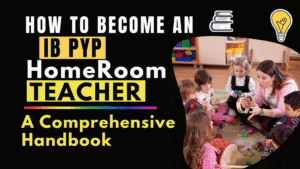
The role of a PYP Homeroom Teacher goes beyond traditional teaching, it involves shaping young learners into inquiring, knowledgeable, and globally-minded individuals. This guide provides a clear understanding of the responsibilities, strategies, and best practices that define an effective IB PYP educator. Whether you’re new to the PYP or looking to refine your approach, this handbook will support you in creating a student-centered, inquiry-driven classroom.
1. The Role of an IB PYP Homeroom Teacher

An IB PYP Homeroom Teacher is not just an instructor but a facilitator of learning, guiding students through an inquiry-driven curriculum that fosters curiosity, independence, and international-mindedness. The role requires balancing academic rigor with student well-being, ensuring that learning is engaging, meaningful, and student-centered. Teachers support holistic development by nurturing social, emotional, and cognitive skills, preparing students to be active global citizens. Additionally, they collaborate with colleagues, parents, and students to create a dynamic and inclusive learning environment that aligns with IB philosophy.
2. Key Responsibilities of an IB PYP Homeroom Teacher

a) Inquiry-Based Teaching & Learning
- Facilitate student-led inquiry, encouraging curiosity and questioning.
- Ensure learning is concept-driven and transdisciplinary.
- Integrate ATL (Approaches to Learning) skills into daily lessons.
- Differentiate instruction to cater to diverse learning needs.
b) Daily Lesson Planning & Preparedness
- Plan lessons in advance, ensuring alignment with student needs.
- Use formative and summative assessment data to modify teaching strategies.
- Implement differentiated instruction to support all learners, especially those needing additional assistance.
- Have necessary teaching materials and resources ready before class.
- Integrate technology to enhance engagement and personalized learning.
c) Classroom Management
Establish a positive, inclusive, and structured classroom environment.
- Promote student agency by encouraging choice, voice, and ownership.
- Foster respect, collaboration, and empathy among students.
- Use positive reinforcement and restorative practices to address behavioral challenges.
d) Managing Timetable & Scheduling
- Organize daily schedules efficiently to ensure balanced learning engagements.
- Allocate time for reflection, discussions, and hands-on activities.
- Ensure smooth transitions between lessons to maintain engagement.
e) Documentation & Record-Keeping
- Maintain student portfolios showcasing learning progress and reflections.
- Document formative and summative assessments to track student growth.
- Keep records required for IB authorization and evaluation.
- Regularly update Unit of Inquiry reflections and lesson modifications.
3. Preparing Students for PYP Events and Exhibition

- Educators should be prepared to mentor students for important PYP events, including the PYP Exhibition, which is no longer limited to Grade 5. Any grade-level teacher may serve as a mentor, guiding students in inquiry, research, and presentation skills.
- Support students in identifying real-world issues aligned with their passions.
- Facilitate collaboration and problem-solving while encouraging student ownership of their learning.
- Ensure students can confidently present their findings using multiple formats.
4. Communication and Collaboration in the PYP

a) With Students
- Encourage student agency by valuing their ideas, questions, and reflections.
- Provide timely feedback and create a safe space for learning from mistakes.
- Model international-mindedness and respect for diverse perspectives.
- Support young learners with care and patience, ensuring that every child feels valued and heard.
- Listen actively, motivate students- especially those who struggle academically- and provide emotional support when needed.
- Ensure equal opportunities for all students to participate and express their ideas confidently.
b) With Parents
- Conduct regular parent-teacher meetings to discuss student progress.
- Share learning updates through newsletters, emails, or digital platforms.
- Encourage parent involvement in learning experiences where appropriate.
- Always listen to parents’ doubts, issues, or suggestions so they feel their voice is heard and valued by the school.
c) With Colleagues & Coordinators
- Collaborate with subject specialists to ensure interdisciplinary learning.
- Be open to constructive feedback and mentorship, as continuous learning enhances teaching effectiveness.
- Participate in professional development and contribute to school-wide initiatives.
- Learn from experienced fellow educators and coordinators, as they can provide valuable insights and best practices.
- Engage in professional dialogues to share innovative strategies and teaching methodologies.
- Support fellow educators in co-planning lessons and refining teaching approaches.
5. End-of-Year Reflection & Continuous Improvement

a) Reflecting on Teaching & Learning
- Evaluate the effectiveness of teaching strategies used throughout the year.
- Identify which inquiry-based approaches were most impactful in fostering student agency.
- Analyze assessment data to measure student growth and conceptual understanding.
- Reflect on student engagement and classroom participation, making note of successful learning engagements.
b) Assessing Student Progress & Growth
- Review student portfolios, formative assessments, and reflections to track progress.
- Identify strengths and areas for improvement in ATL skills, learner profile attributes, and conceptual understanding.
- Discuss student progress with colleagues and coordinators to ensure holistic development.
- Provide constructive feedback to students on their learning journey before the year ends.
c) Enhancing Professional Development
- Engage in self-reflection to identify personal teaching strengths and areas for growth.
- Attend IB workshops, webinars, and professional learning communities to stay updated on best practices.
- Seek feedback from colleagues, mentors, and coordinators to refine teaching approaches.
- Explore new instructional strategies, technological tools, and innovative inquiry models for the upcoming year.
d) Preparing for the Next Academic Year
- Reflect on unit plans and make necessary modifications based on student needs and past experiences.
- Collaborate with grade-level teams to refine Units of Inquiry and transdisciplinary integration.
- Identify classroom routines, structures, and teaching strategies that can be improved.
- Set personal and professional goals for the next academic year to ensure continuous growth.
Final Thoughts
Being a PYP Homeroom Teacher requires passion, adaptability, and a deep understanding of inquiry-based learning. By being well-prepared each day, personalizing learning experiences, and fostering a supportive classroom environment, educators can empower students to become lifelong learners and responsible global citizens.
This guide serves as a practical roadmap for educators entering or growing within the PYP framework, ensuring they are well-equipped to meet its dynamic demands.