The IB PYP April 2025 updates introduce significant changes across subject-specific guidance, Inquiry Learning Progressions, and the Early Years framework. These updates reflect the IB’s growing focus on learner agency, conceptual understanding, inquiry-based learning, and transdisciplinary connections across the Primary Years Programme.
I strongly encourage all fellow educators to visit the MyIB Dashboard > Programme Resource Centre > Curriculum Resourcesand explore the newly published documents firsthand for a complete and accurate understanding.
This article is structured into three main sections, each unpacking a specific update in a comparative format:
1. PYP Subject-Specific Guidance – Released 17 April 2025 – Revised structures and emphases across all six PYP subjects, promoting coherence, inquiry, and global awareness.
2. Inquiry Learning Progressions – Released 22 April 2025 – A refined developmental tool to support learner agency and transdisciplinary growth.
3. The Early Years in the PYP – Released 22 April 2025 – A fresh perspective on symbolic learning, agency, and the evolving role of play and self-regulation in early education.

ffee
We’ll now explore each section one by one.
𝟭. 𝗣𝗬𝗣 𝗦𝘂𝗯𝗷𝗲𝗰𝘁-𝗦𝗽𝗲𝗰𝗶𝗳𝗶𝗰 𝗚𝘂𝗶𝗱𝗮𝗻𝗰𝗲

a. Unified Structure Across All Subjects
Previously: Each subject had varied formatting, different structures, and inconsistent terminology. Transdisciplinary learning connections were often left to educators’ interpretation. Now:
- A subject overview
- A concepts section with inquiry-based questions
- Connections to the IB continuum
- Emphasis on transdisciplinary learning and student agency
b. Inquiry Learning Progressions Integrated
Previously: Inquiry was emphasized in the PYP framework, but learning progressions were often implicit or interpreted differently across subjects.
Now:
- Each subject connects clearly to the new Inquiry Learning Progressions, supporting developmental understanding from Early Years onward.
c. Visual and Conceptual Enhancements
Previously: Guidance lacked visual coherence and conceptual clarity across subjects. Navigation and reference were sometimes challenging for teachers.
Now:
- Updated visuals and consistent formatting make navigation easier.
- All subjects now use the same conceptual lens: Form, Function, Causation, Change, Connection, Perspective, Responsibility
𝗦𝘂𝗯𝗷𝗲𝗰𝘁-𝗪𝗶𝘀𝗲 𝗞𝗲𝘆 𝗛𝗶𝗴𝗵𝗹𝗶𝗴𝗵𝘁𝘀
𝗔𝗿𝘁𝘀
Previously: Arts were referenced but with less emphasis on cultural identity, interdisciplinary connections, or differentiated roles of each art form. Now:
- Refined roles of Dance, Drama, Music, and Visual Arts within a transdisciplinary setting
- Stronger focus on community engagement and cultural identity
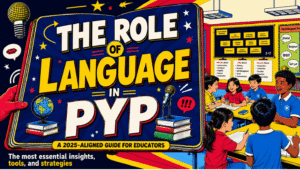
𝗟𝗮𝗻𝗴𝘂𝗮𝗴𝗲
Previously: Language strands were defined, but connections to multimodal learning and social practices were less emphasized.
Now:
- Greater emphasis on language as a social practice
- Oral, visual, and written language strands now align with multimodal communication
- Includes IB language tenets and translanguaging guidance
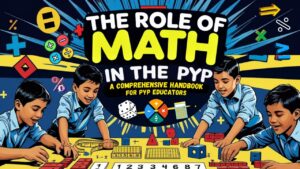
𝗠𝗮𝘁𝗵𝗲𝗺𝗮𝘁𝗶𝗰𝘀
Previously: Math was often viewed more traditionally, and transdisciplinary links were less explicit.
Now:
- Mathematics is redefined as a sense-making and reasoning activity
- Stronger integration with inquiry and transdisciplinary learning
- Updated explanation of the 5 strands with real-world concept applications
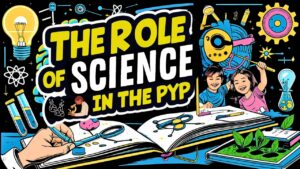
𝗦𝗰𝗶𝗲𝗻𝗰𝗲
Previously: Strands were loosely organized, with less focus on ethics, action, and sustainability.
Now:
- Organized into 3 strands: Living Things, Earth and Space, Physical and Chemical Sciences
- Inquiry and sustainability are now central
- Emphasis on using science to take action and explore ethical implications
𝗣𝗲𝗿𝘀𝗼𝗻𝗮𝗹, 𝗦𝗼𝗰𝗶𝗮𝗹 𝗮𝗻𝗱 𝗣𝗵𝘆𝘀𝗶𝗰𝗮𝗹 𝗘𝗱𝘂𝗰𝗮𝘁𝗶𝗼𝗻 (𝗣𝗦𝗣𝗘)
Previously: Earlier versions did not clearly distinguish between social, emotional, and physical learning.
Now:
- Now includes 4 key strands: Identity, Interactions, Wellness, Movement
- Focus on student well-being and lifelong health habits
- Expanded community-based applications
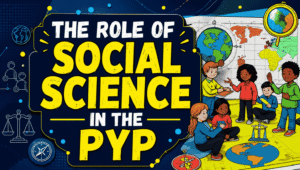
𝗦𝗼𝗰𝗶𝗮𝗹 𝗦𝘁𝘂𝗱𝗶𝗲𝘀
Previously: Primarily framed around history and geography, with less global citizenship perspective.
Now:
- Heavily revised to include: Critical global citizenship, Continuity and change, Place-based inquiry
- Broadened disciplines: anthropology, sociology, law, and environmental studies
𝗙𝗶𝗻𝗮𝗹 𝗧𝗵𝗼𝘂𝗴𝗵𝘁𝘀: 2025 Inquiry Learning Progressions represent a refined, flexible, and deeply learner-centered tool that supports inquiry not just as a teaching strategy, but as a developmental journey. The progressions are designed to:
- Track and support long-term skill development
- Foster agency, critical thinking, and meaningful action
- Bridge curriculum, pedagogy, and assessment
𝟯. 𝗞𝗲𝘆 𝗨𝗽𝗱𝗮𝘁𝗲𝘀 𝗶𝗻 𝗘𝗮𝗿𝗹𝘆 𝗬𝗲𝗮𝗿𝘀 𝗣𝗬𝗣 (𝗔𝗽𝗿𝗶𝗹 𝟮𝟬𝟮𝟱)

𝟭. 𝗦𝘁𝗿𝗼𝗻𝗴𝗲𝗿 𝗘𝗺𝗽𝗵𝗮𝘀𝗶𝘀 𝗼𝗻 𝗟𝗲𝗮𝗿𝗻𝗲𝗿 𝗔𝗴𝗲𝗻𝗰𝘆
Previously: Learner agency was valued but not deeply connected with concepts like self-efficacy or self-regulation. Goal-setting by early learners was not explicitly encouraged or structured.
Now: Learners are recognized as competent, capable and active agents in their learning
- A deeper connection is made between agency, self-efficacy, and self-regulation
- Early learners are now explicitly supported to set goals, reflect, and take ownership of their learning journeys through inquiry and play
𝟮. 𝗣𝗹𝗮𝘆 𝗮𝘀 𝗜𝗻𝗾𝘂𝗶𝗿𝘆 – 𝗖𝗲𝗻𝘁𝗿𝗮𝗹 𝗣𝗲𝗱𝗮𝗴𝗼𝗴𝗶𝗰𝗮𝗹 𝗦𝘁𝗿𝗮𝘁𝗲𝗴𝘆
Previously: Play was included as one way of engaging learners but was not consistently treated as the core of inquiry. It often existed alongside more traditional teaching methods.
Now:
- Play is re-emphasized as the primary driver for inquiry, not just an activity
- It supports the development of ATL (Approaches to Learning) and IB Learner Profile attributes
- Educators are guided on how to extend and document learning through open-ended and guided play
𝟯. 𝗔𝗧𝗟 𝗦𝗸𝗶𝗹𝗹𝘀 – 𝗗𝗲𝘃𝗲𝗹𝗼𝗽𝗺𝗲𝗻𝘁𝗮𝗹 𝗣𝗿𝗼𝗴𝗿𝗲𝘀𝘀𝗶𝗼𝗻𝘀 𝗳𝗼𝗿 𝗘𝗮𝗿𝗹𝘆 𝗟𝗲𝗮𝗿𝗻𝗲𝗿𝘀
Previously: ATL skills were introduced without specific developmental guidance tailored to young learners. Skills progression and examples were generalized or limited.
Now:
- ATL is now clearly mapped with age-appropriate sub-skills, including: Thinking, Research, Communication, Social & Self-management
- These are linked to symbolic learning, social interactions, and authentic actions
𝟰. 𝗦𝘆𝗺𝗯𝗼𝗹𝗶𝗰 𝗘𝘅𝗽𝗹𝗼𝗿𝗮𝘁𝗶𝗼𝗻 𝗮𝗻𝗱 𝗘𝘅𝗽𝗿𝗲𝘀𝘀𝗶𝗼𝗻
Previously: Literacy and numeracy were emphasized, but not always framed as symbolic systems through which meaning is made. Home language use and creative expression were less foregrounded.
Now:
- Stronger recognition of literacy, numeracy, the arts, and movement as symbolic systems of meaning-making
- Emphasis on home languages and translanguaging for cognitive growth and identity development
- Mark-making, story dramatization, and pretend play are positioned as critical literacy and numeracy entry points
𝟱. 𝗜𝗕 𝗟𝗲𝗮𝗿𝗻𝗲𝗿 𝗣𝗿𝗼𝗳𝗶𝗹𝗲 𝗮𝘀 𝗮 𝗟𝗶𝘃𝗶𝗻𝗴 𝗙𝗿𝗮𝗺𝗲𝘄𝗼𝗿𝗸
Previously: The learner profile was often displayed but used more for compliance and visual presence than active planning or student reflection.
Now:
- The attributes are now actively used by learners for self-reflection and goal-setting
- Visuals, drawings, and child-friendly language are suggested for developing understanding of the attributes
- Learner profile is now a planning and documentation tool, not just a poster on the wall
𝟲. 𝗔𝗰𝘁𝗶𝗼𝗻 𝗶𝗻 𝗘𝗮𝗿𝗹𝘆 𝗬𝗲𝗮𝗿𝘀
Previously: Action was often interpreted as formal projects or service learning at older ages. Young learners’ spontaneous or subtle actions were under-recognized.
Now:
- Action is seen as spontaneous, personal, and authentic—even small acts count
- Educators are encouraged to document student-initiated action and connect it to learning outcomes
- Clear examples show how early learners demonstrate IB learner profile attributes through daily choices and reflections
𝟳. 𝗟𝗲𝗮𝗿𝗻𝗶𝗻𝗴 𝗖𝗼𝗺𝗺𝘂𝗻𝗶𝘁𝘆 𝗩𝗶𝘀𝗶𝗼𝗻
Previously: Parents and community members were mentioned in broad terms. Their roles were less visible in actual curriculum planning or classroom environments.
Now:
- All members (parents, educators, support staff) are seen as part of a shared learning culture
- Guidance includes: designing healthy, responsive learning environments, fostering supportive, respectful relationships, collaborative planning rooted in students’ interests and observations
Final Thoughts: The April 2025 updates to the Early Years in the PYP mark a powerful shift in how young learners are viewed—as capable, curious, and active agents of their learning journey. With a renewed focus on symbolic exploration, learner agency, play as inquiry, and meaningful action, the updated framework ensures that early learners are not just prepared for PYP, but fully engaged in it from the very beginning. These changes better align Early Years with the rest of the programme, while respecting the developmental uniqueness of this age group.
𝗪𝗵𝘆 𝗧𝗵𝗲𝘀𝗲 𝗨𝗽𝗱𝗮𝘁𝗲𝘀 𝗠𝗮𝘁𝘁𝗲𝗿
These updates position Early Years learners as full participants in the IB journey, not as pre-schoolers preparing for “real” learning. The document bridges developmental theory, inquiry pedagogy, and international-mindedness into daily, child-led classroom experiences.
Stay tuned: As per the IB’s announcement, further updates may continue to roll out through April and May 2025. This article covers what has been published as of now, and we can expect more refinements or supporting resources in the coming weeks.