𝗜𝗻𝘁𝗿𝗼𝗱𝘂𝗰𝘁𝗶𝗼𝗻 – 𝗦𝗰𝗶𝗲𝗻𝗰𝗲 𝗮𝘀 𝗜𝗻𝗾𝘂𝗶𝗿𝘆 𝗶𝗻 IB 𝗣𝗬𝗣
Science in the IB PYP is a powerful tool to develop curiosity, inquiry, and real-world understanding. It is not delivered as a textbook-driven subject but as a conceptual, transdisciplinary discipline integrated through Units of Inquiry (UOIs).
Students inquire into the natural and physical world, explore how it works, and reflect on how humans interact with and depend on it. Through science, learners construct knowledge, ask deep questions, and take meaningful action.
1. 𝗧𝗵𝗲 𝗨𝗽𝗱𝗮𝘁𝗲𝗱 𝗦𝗰𝗶𝗲𝗻𝗰𝗲 𝗦𝘁𝗿𝗮𝗻𝗱𝘀 𝗶𝗻 IB 𝗣𝗬𝗣
In recent IB curriculum updates, science learning in PYP has been clarified and structured around three defined strands that align with global best practices and ensure continuity into MYP/DP.
Teachers don’t teach these strands as stand-alone units but integrate them into units aligned with relevant transdisciplinary themes and concepts. These changes were made to:
- Promote clear conceptual progression
- Facilitate interdisciplinary integration across themes
- Bridge better with MYP science, enhancing continuity and coherence
📊 𝗖𝗼𝗺𝗽𝗮𝗿𝗶𝘀𝗼𝗻: 𝗢𝗹𝗱 𝘃𝘀. 𝗡𝗲𝘄 𝗦𝗰𝗶𝗲𝗻𝗰𝗲 𝗦𝘁𝗿𝗮𝗻𝗱𝘀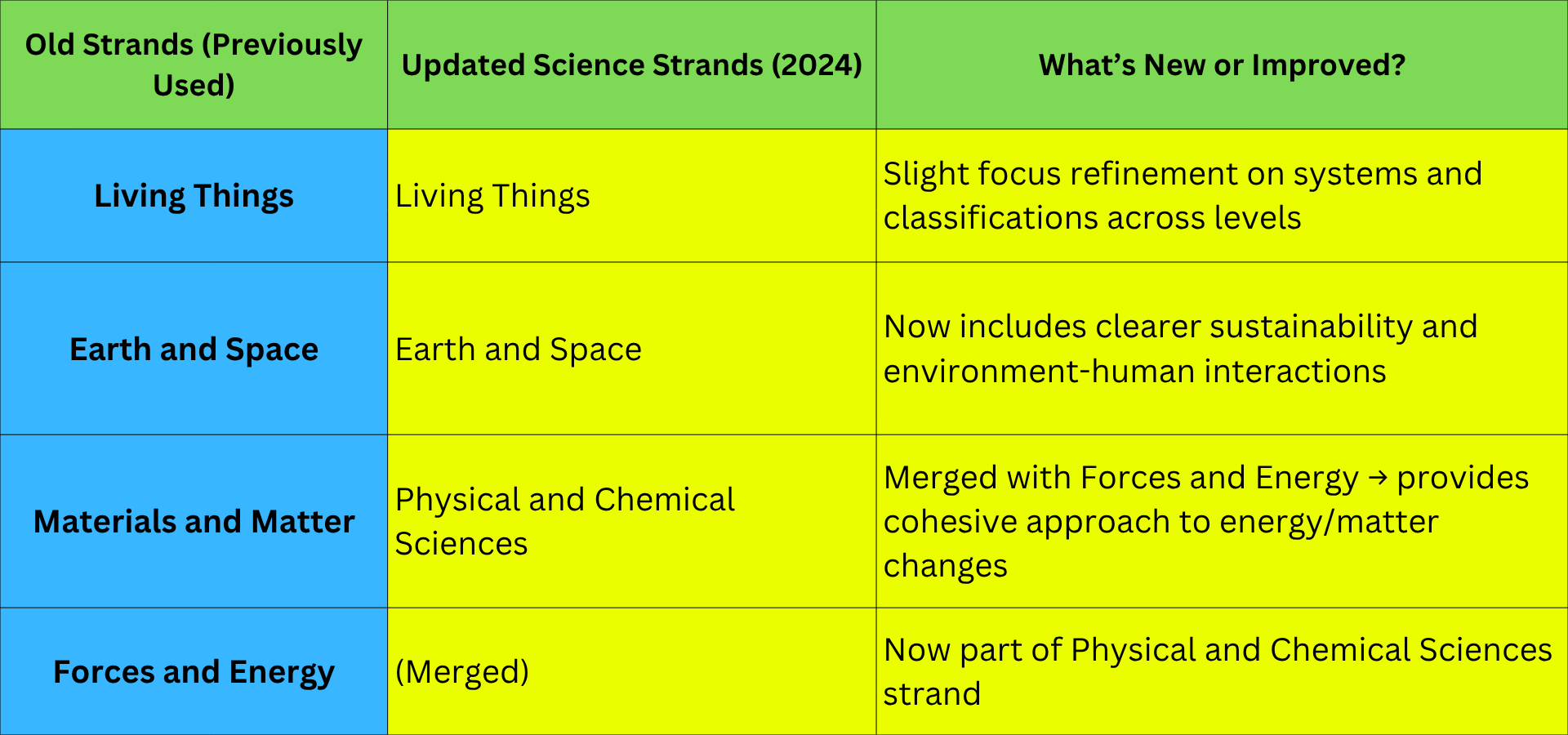
2. 𝗪𝗵𝘆 𝗦𝗰𝗶𝗲𝗻𝗰𝗲 𝗜𝘀 𝗘𝘀𝘀𝗲𝗻𝘁𝗶𝗮𝗹 𝗶𝗻 IB 𝗣𝗬𝗣
Science in PYP serves a multi-functional role:
- Builds foundational knowledge for understanding the natural world
- Encourages inquiry and experimentation
- Develops skills across all ATL domains
- Promotes student agency and action
- Bridges global issues (like climate, health, sustainability) with local understanding
By engaging with science through exploration, experimentation, questioning, and action, students grow as inquirers and emerging global citizens.
3. 𝗔𝗹𝗶𝗴𝗻𝗶𝗻𝗴 𝗦𝗰𝗶𝗲𝗻𝗰𝗲 𝘄𝗶𝘁𝗵 𝘁𝗵𝗲 𝗣𝗿𝗼𝗴𝗿𝗮𝗺𝗺𝗲 𝗼𝗳 𝗜𝗻𝗾𝘂𝗶𝗿𝘆 (𝗣𝗢𝗜)
The POI is the curriculum backbone of a PYP school. Aligning science within it means mapping the strands, LOs, and concepts across grade levels to ensure balance and progression. This promotes conceptual depth without repetition or gaps.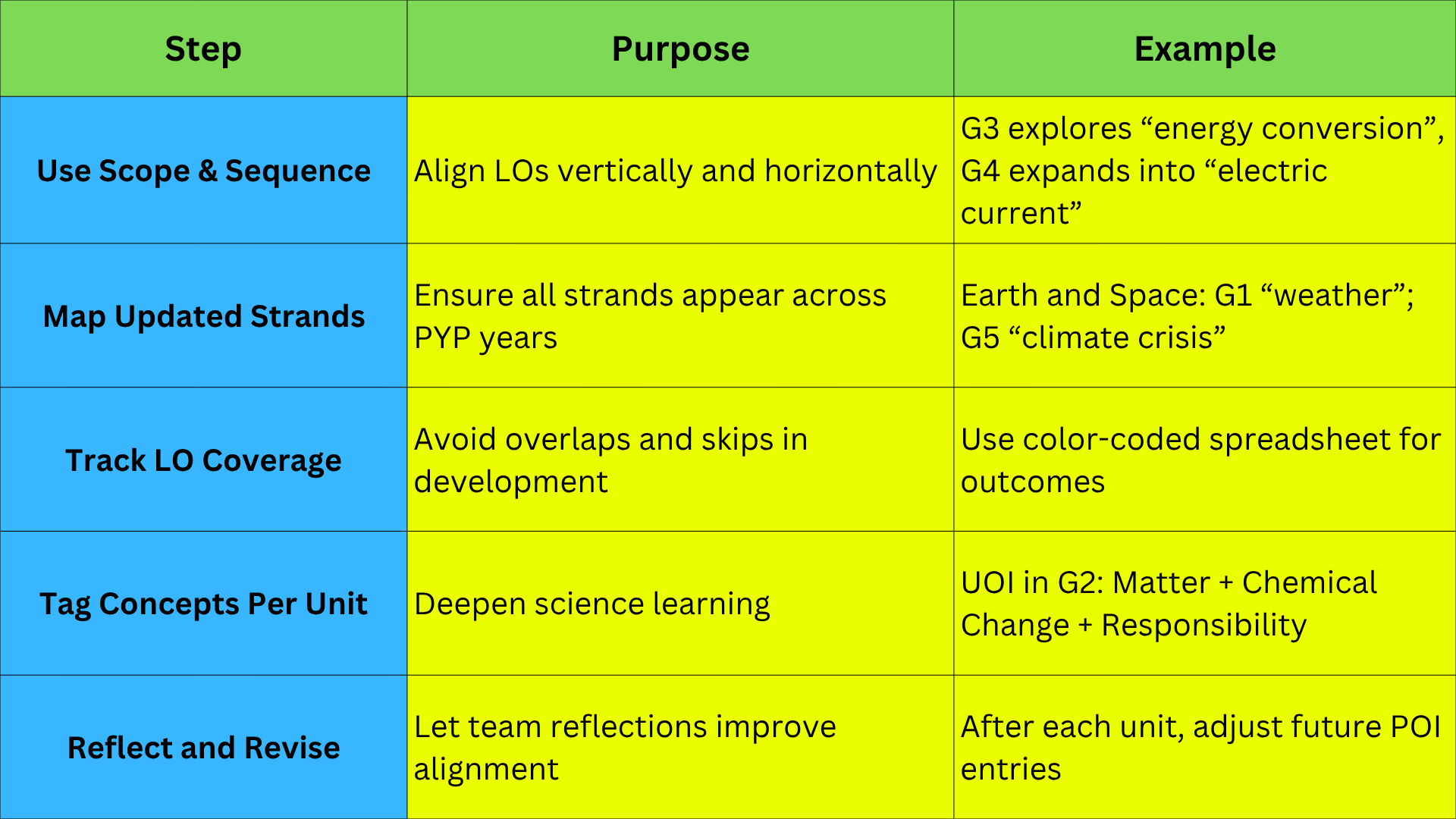
4. 𝗘𝗻𝘀𝘂𝗿𝗶𝗻𝗴 𝗦𝗰𝗶𝗲𝗻𝗰𝗲 𝗟𝗲𝗮𝗿𝗻𝗶𝗻𝗴 𝗢𝘂𝘁𝗰𝗼𝗺𝗲𝘀 𝗔𝗿𝗲 𝗧𝗮𝘂𝗴𝗵𝘁 𝗘𝗳𝗳𝗲𝗰𝘁𝗶𝘃𝗲𝗹𝘆
Meeting all PYP science learning expectations requires strategic planning, tracking, and evidence gathering. Teachers must ensure Learning Outcomes (LOs) from the science scope and sequence are intentionally planned, assessed, and documented.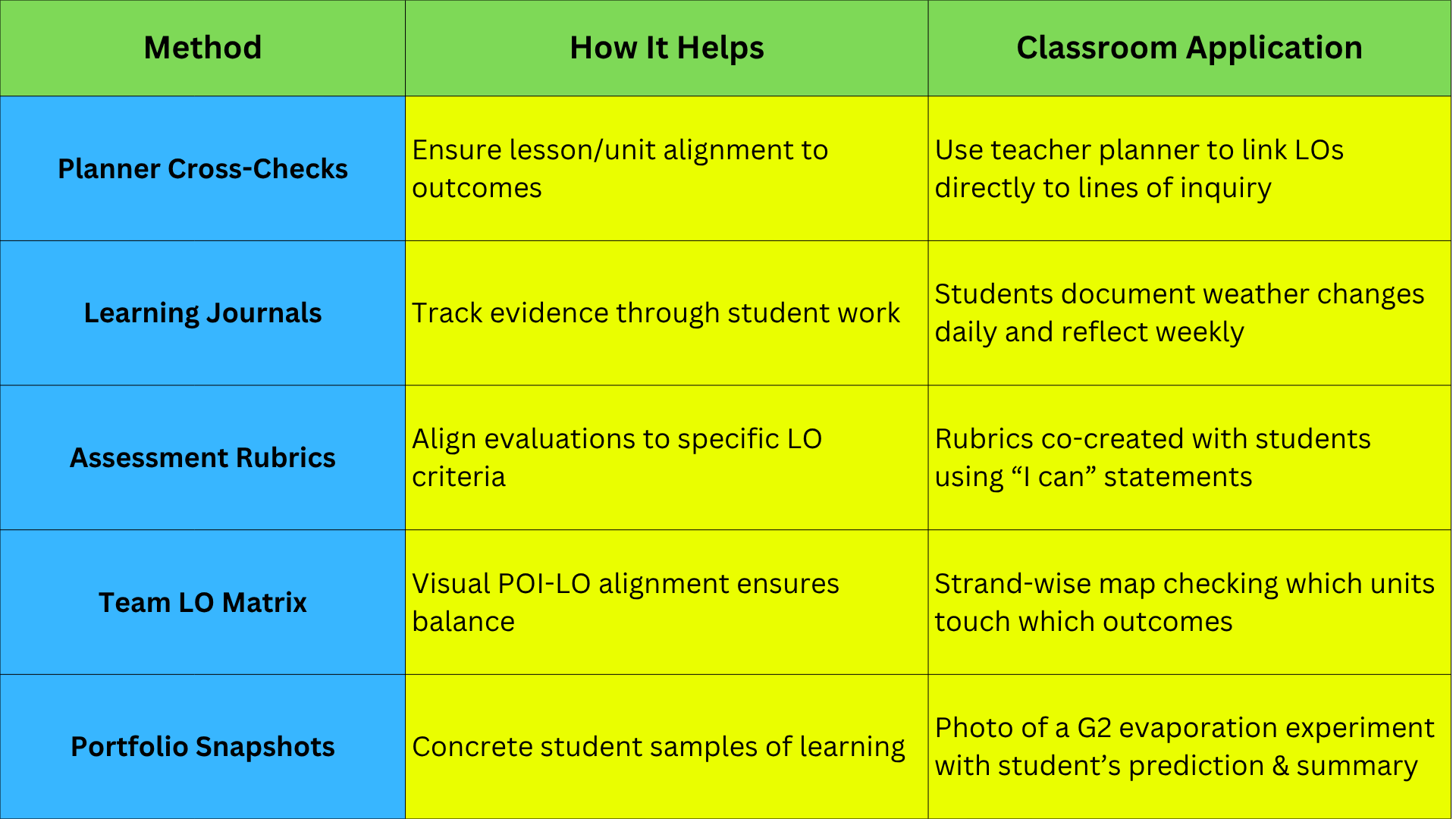
5. 𝗚𝗿𝗮𝗱𝗲-𝗟𝗲𝘃𝗲𝗹 𝗦𝗰𝗶𝗲𝗻𝗰𝗲 𝗜𝗻𝘁𝗲𝗴𝗿𝗮𝘁𝗶𝗼𝗻 𝗘𝘅𝗮𝗺𝗽𝗹𝗲𝘀 (𝗣𝗿𝗲-𝗞 𝘁𝗼 𝗚𝗿𝗮𝗱𝗲 𝟱)
In the PYP, science is not taught as a stand-alone subject, but is instead integrated within transdisciplinary Units of Inquiry (UOIs) across all grade levels. This table illustrates how science is embedded into UOIs through relevant transdisciplinary themes, making learning meaningful and connected to real life. Each example aligns with a science strand and learning outcome, followed by a realistic classroom learning experience showcasing how teachers can bring science alive across the program.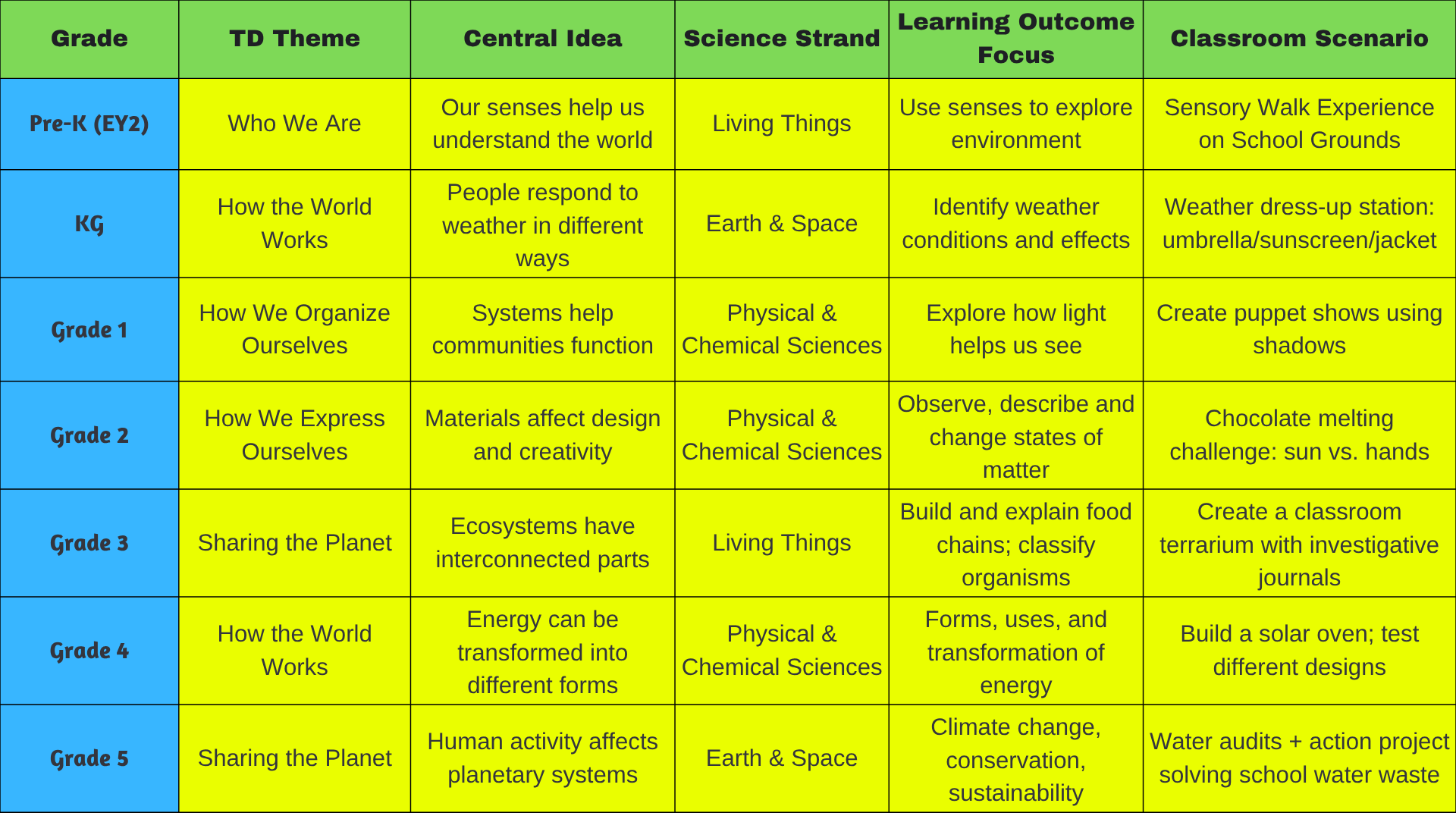
6. 𝗔𝗧𝗟 𝗦𝗸𝗶𝗹𝗹𝘀 𝗶𝗻 IB PYP 𝗦𝗰𝗶𝗲𝗻𝗰𝗲
𝗔𝗧𝗟 (𝗔𝗽𝗽𝗿𝗼𝗮𝗰𝗵𝗲𝘀 𝘁𝗼 𝗟𝗲𝗮𝗿𝗻𝗶𝗻𝗴) 𝘀𝗸𝗶𝗹𝗹𝘀 are core learning strategies promoted across the IB PYP to help students become independent, capable learners. In science, each ATL category can be developed through investigative explorations, collaborative group work, research, and self-directed learning tasks. This table provides examples of how each ATL skill might be intentionally nurtured within science-based inquiries.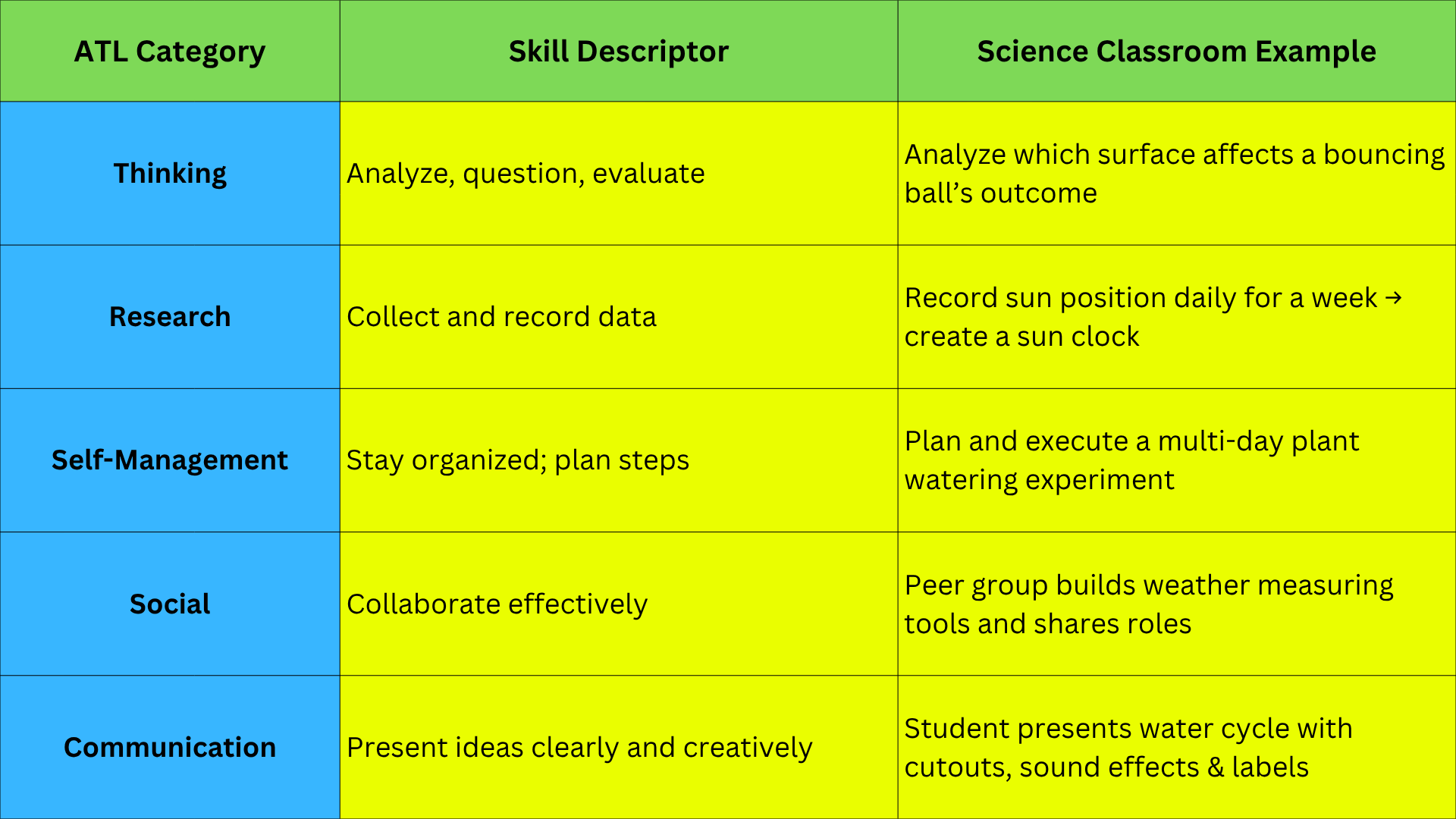
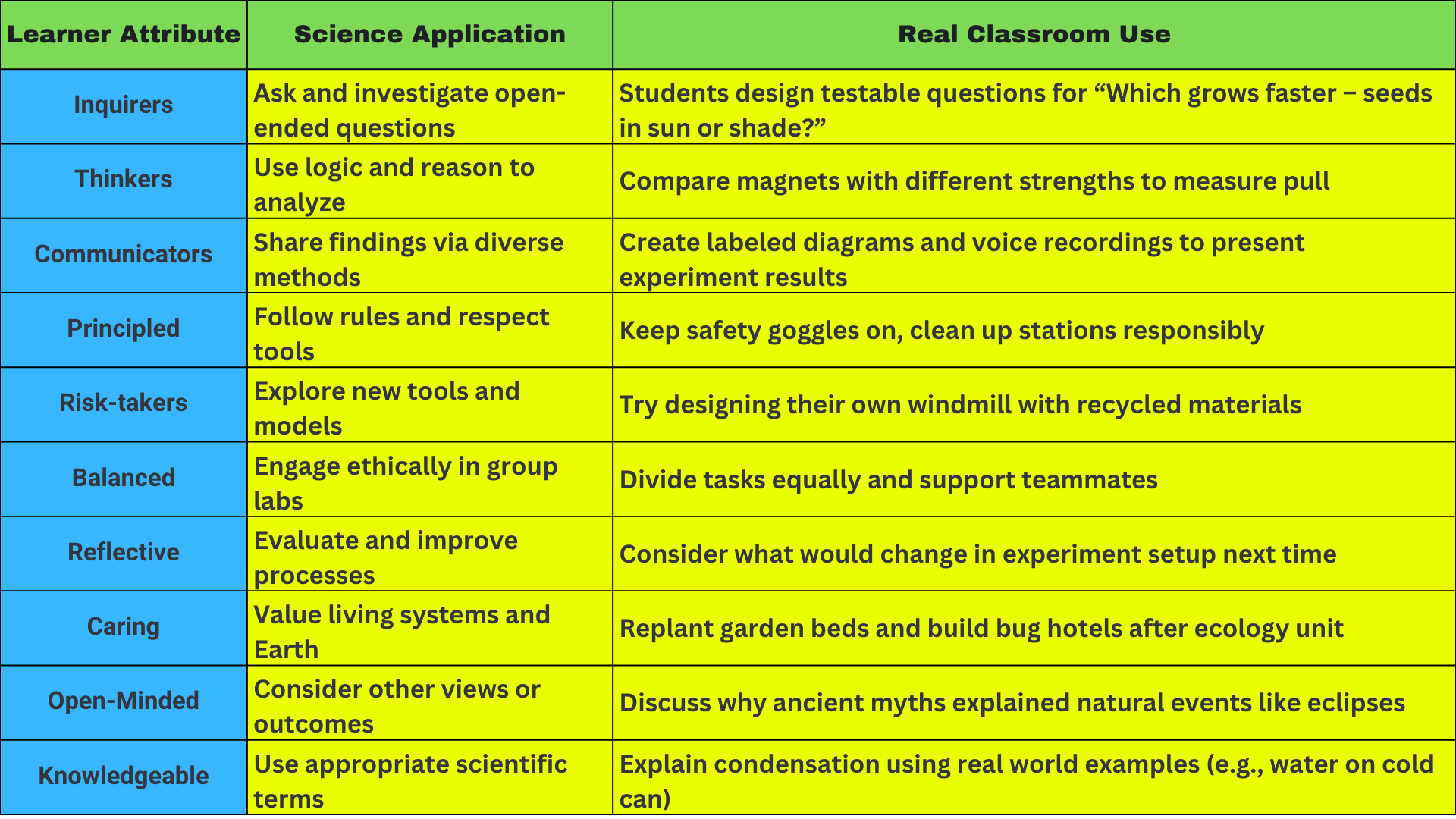
7. 𝗟𝗲𝗮𝗿𝗻𝗲𝗿 𝗣𝗿𝗼𝗳𝗶𝗹𝗲 𝗔𝘁𝘁𝗿𝗶𝗯𝘂𝘁𝗲𝘀 (𝗟𝗣𝗔) 𝗶𝗻 𝗦𝗰𝗶𝗲𝗻𝗰𝗲
𝗧𝗵𝗲 𝗟𝗲𝗮𝗿𝗻𝗲𝗿 𝗣𝗿𝗼𝗳𝗶𝗹𝗲 𝗔𝘁𝘁𝗿𝗶𝗯𝘂𝘁𝗲𝘀 (𝗟𝗣𝗔𝘀) are the IB’s core values in action. When teaching science through inquiry-based approaches, students naturally demonstrate and grow in their profile attributes. The following table outlines how each learner attribute connects to science—and what it looks like in real classroom contexts.
 fg
fg
8. 𝗦𝗰𝗶𝗲𝗻𝗰𝗲 𝗖𝗼𝗻𝗰𝗲𝗽𝘁𝘀 – 𝗗𝗲𝗳𝗶𝗻𝗶𝘁𝗶𝗼𝗻𝘀 𝗮𝗻𝗱 𝗖𝗹𝗮𝘀𝘀𝗿𝗼𝗼𝗺 𝗨𝘀𝗲
subject 𝗦𝗽𝗲𝗰𝗶𝗳𝗶𝗰 𝗰𝗼𝗻𝗰𝗲𝗽𝘁𝘀 are discipline-specific ideas that deepen students’ thinking within a subject—in this case, science. In the PYP, science concepts should not be memorized terms but used to frame exploration, inquiry, and understanding. This table lists a few example concepts with a science application and an example of how that would look in a real classroom engagement.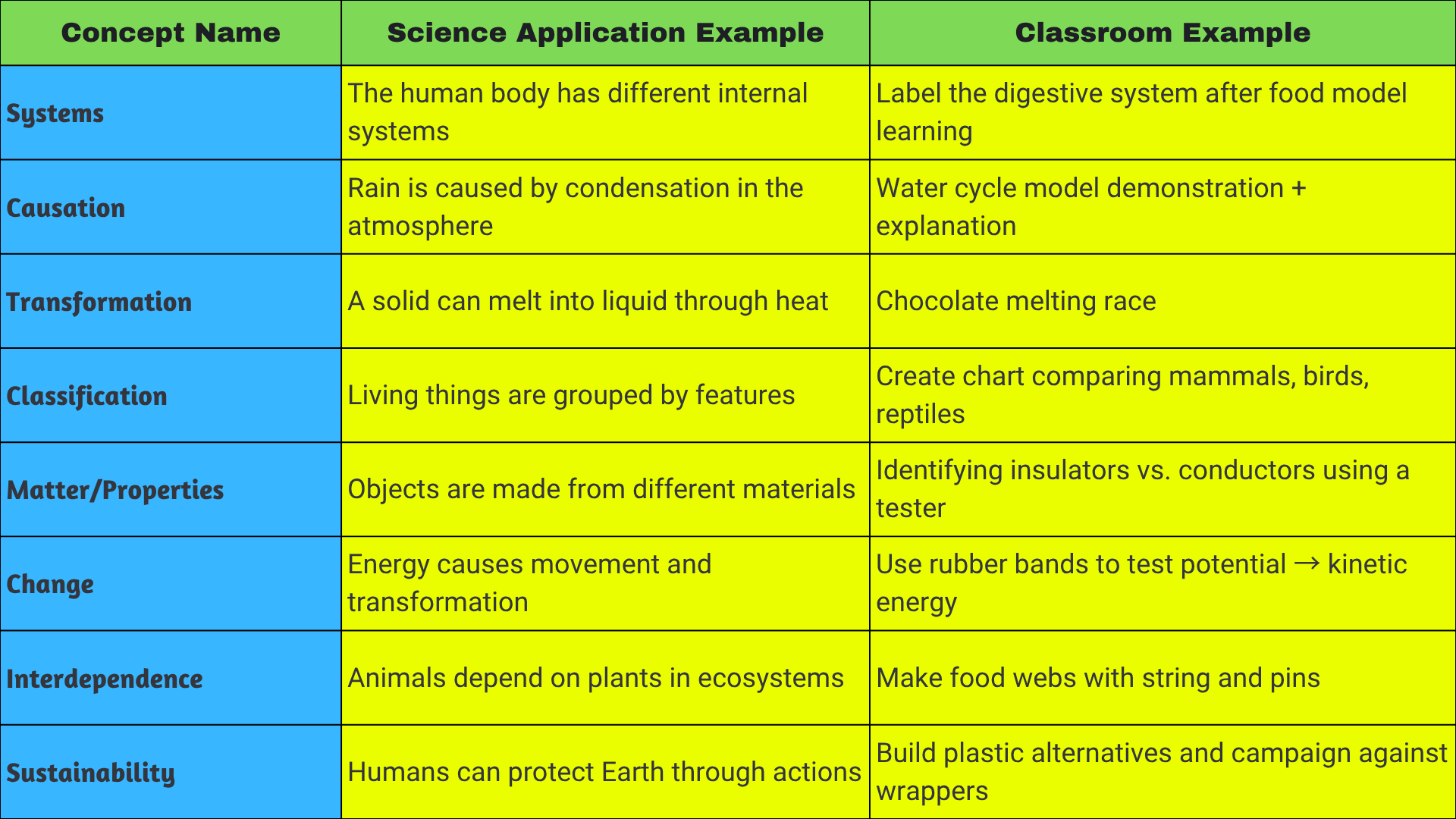
9. 𝗔𝗱𝗱𝗶𝘁𝗶𝗼𝗻𝗮𝗹 𝗖𝗼𝗻𝗰𝗲𝗽𝘁𝘀 𝗶𝗻 𝗦𝗰𝗶𝗲𝗻𝗰𝗲
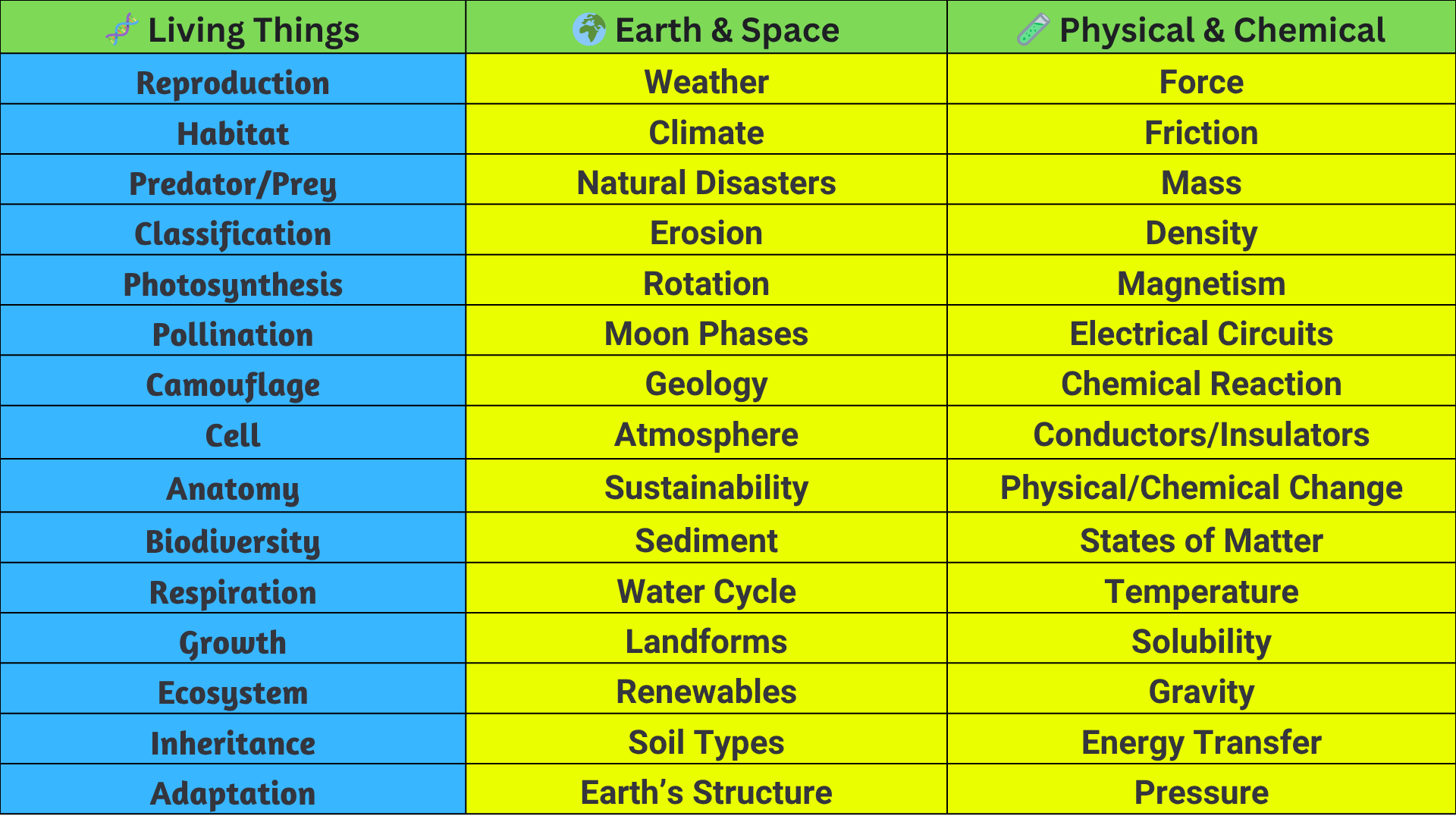
𝗔𝗱𝗱𝗶𝘁𝗶𝗼𝗻𝗮𝗹 𝘀𝗰𝗶𝗲𝗻𝗰𝗲 𝗰𝗼𝗻𝗰𝗲𝗽𝘁𝘀: Beyond the already mentioned concepts, educators may draw from a scientific bank of discipline-specific content vocabulary to build inquiry projects and deeper knowledge. The following table includes commonly used science concepts per strand. These are not to be memorized but used to anchor learning in real-world context and practical exploration.
𝟭0. 𝗦𝗰𝗶𝗲𝗻𝗰𝗲 𝗔𝘀𝘀𝗲𝘀𝘀𝗺𝗲𝗻𝘁 𝗧𝗼𝗼𝗹𝘀
𝗔𝘀𝘀𝗲𝘀𝘀𝗺𝗲𝗻𝘁 𝗶𝗻 𝘀𝗰𝗶𝗲𝗻𝗰𝗲 (through unit of Inquiry) should be authentic, flexible, and evidence-based, aligned with both specified concepts and ATL skills. This table outlines 10 practical tools for assessing science knowledge, skills, and understanding in the classroom, along with how each tool can be implemented effectively.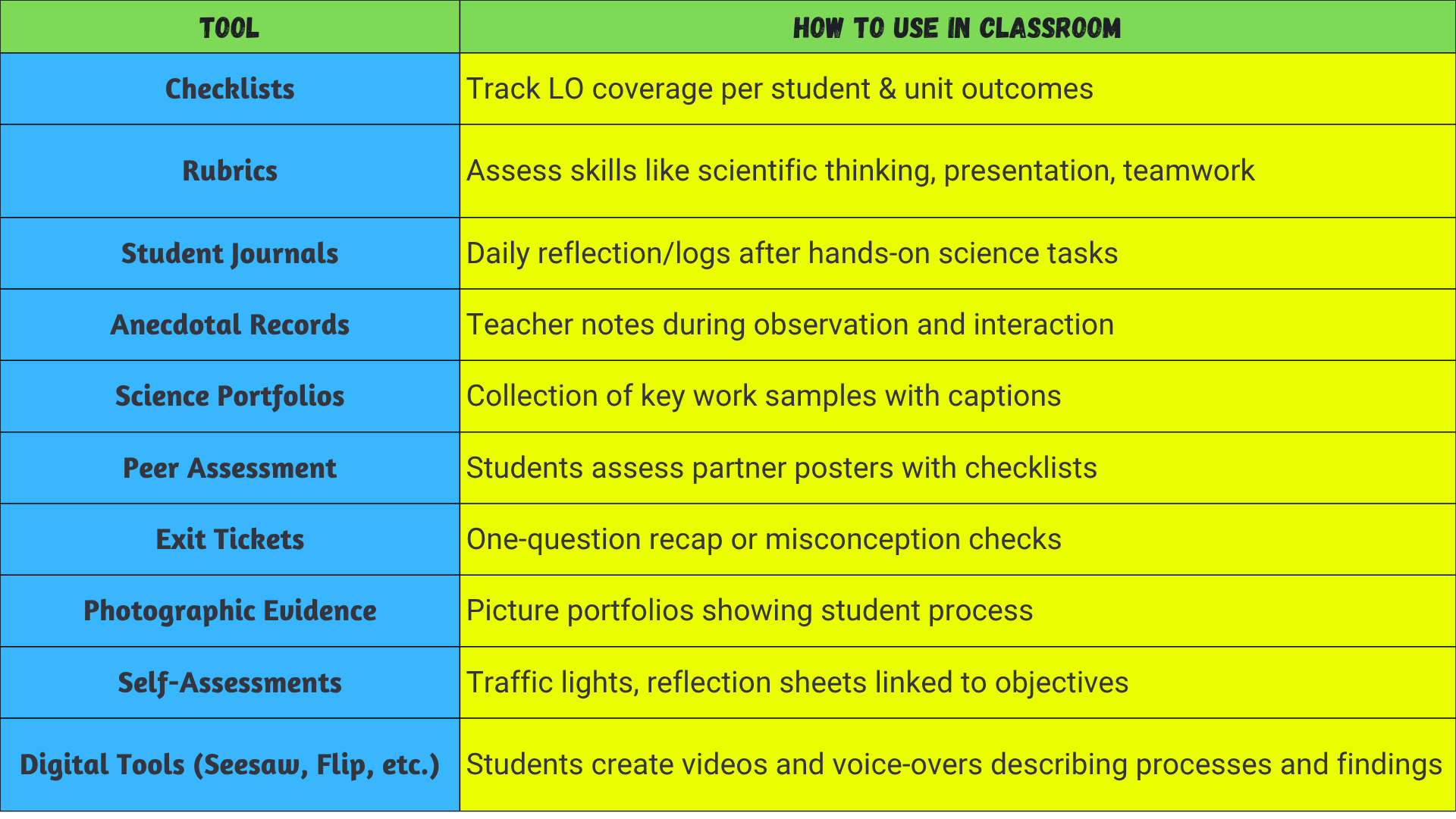 f
f
11. 𝗜𝗻𝗰𝗹𝘂𝘀𝗶𝗼𝗻 𝗮𝗻𝗱 𝗗𝗶𝗳𝗳𝗲𝗿𝗲𝗻𝘁𝗶𝗮𝘁𝗶𝗼𝗻 – 𝗪𝗶𝘁𝗵 𝗦𝘁𝗿𝗮𝘁𝗲𝗴𝘆 𝗖𝗼𝗹𝘂𝗺𝗻
No PYP classroom is one-size-fits-all. Differentiation ensures that learners of all backgrounds, strengths, and needs are supported. This table lists specific learner needs, strategies to support them, and a clear classroom-based example to guide practical implementation during your science instruction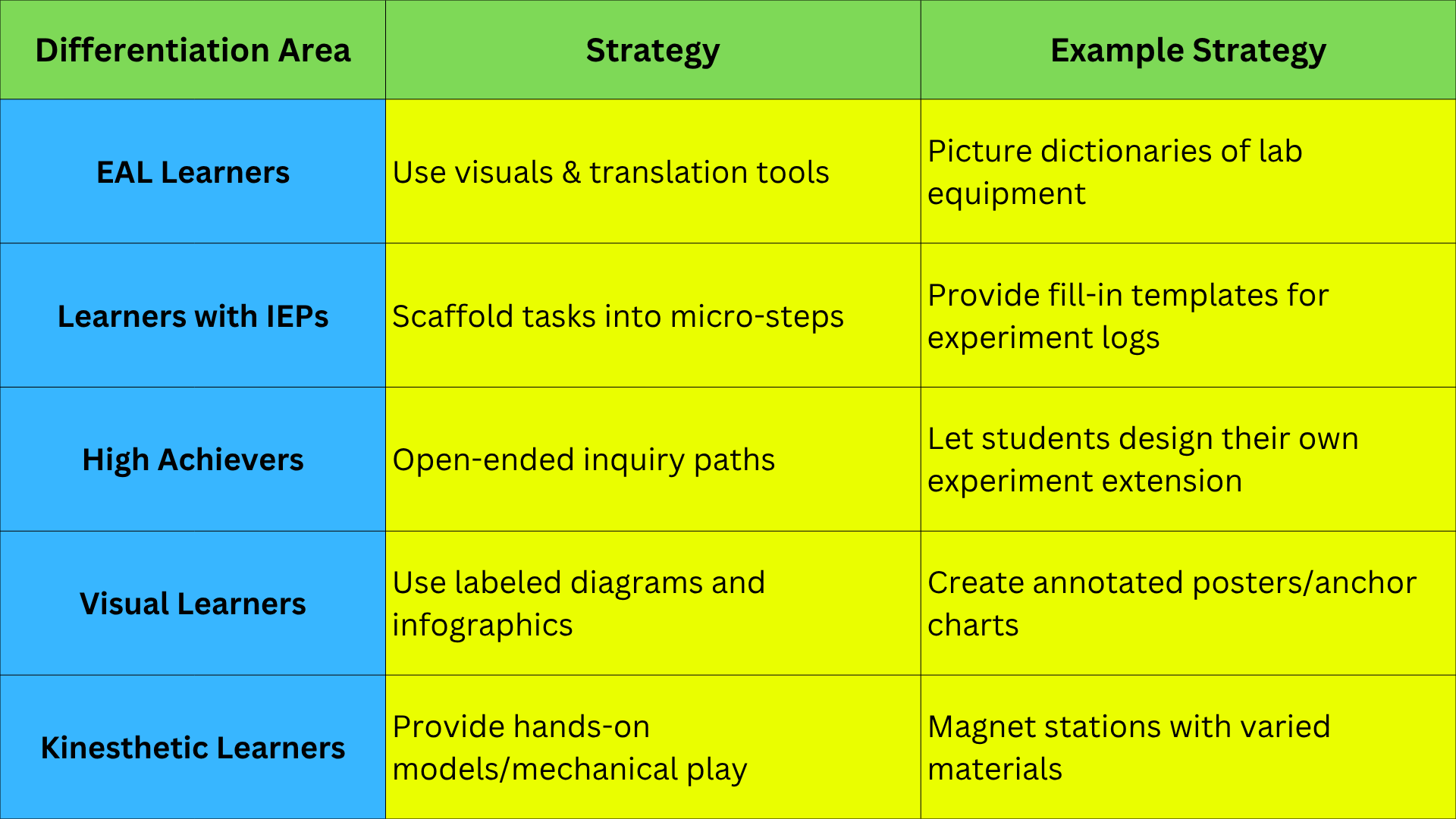 d
d
12. 𝗦𝘁𝘂𝗱𝗲𝗻𝘁 𝗔𝗰𝘁𝗶𝗼𝗻 𝗘𝘅𝗮𝗺𝗽𝗹𝗲𝘀 𝗶𝗻 𝗦𝗰𝗶𝗲𝗻𝗰𝗲 – 𝗚𝗿𝗮𝗱𝗲 𝗪𝗶𝘀𝗲
𝗔𝗰𝘁𝗶𝗼𝗻 𝗶𝘀 𝗮 𝗸𝗲𝘆 𝗽𝗮𝗿𝘁 𝗼𝗳 𝗣𝗬𝗣 𝗶𝗻𝗾𝘂𝗶𝗿𝘆, and science often naturally leads students toward meaningful, responsible actions. This table presents age-appropriate examples of how students may take informed action after a science-driven unit.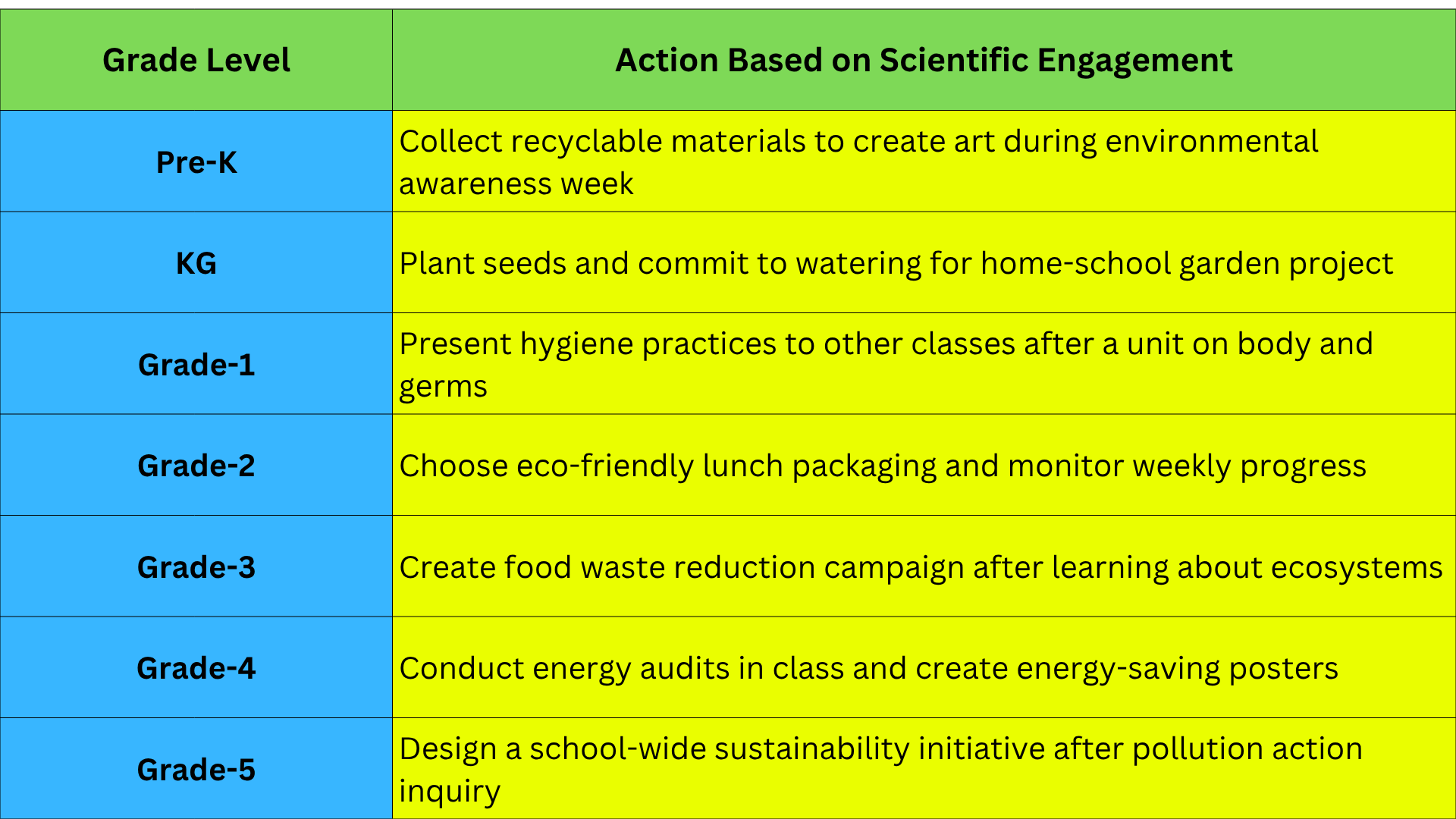 f
f
𝗖𝗼𝗻𝗰𝗹𝘂𝘀𝗶𝗼𝗻: 𝗔 𝗪𝗼𝗿𝗹𝗱 𝗘𝘅𝗽𝗹𝗼𝗿𝗲𝗱, 𝗨𝗻𝗱𝗲𝗿𝘀𝘁𝗼𝗼𝗱, 𝗮𝗻𝗱 𝗣𝗿𝗼𝘁𝗲𝗰𝘁𝗲𝗱 𝗧𝗵𝗿𝗼𝘂𝗴𝗵 𝗦𝗰𝗶𝗲𝗻𝗰𝗲
Science is not just an academic area in the PYP. It is the foundation for curiosity, reflection, innovation, and action. By integrating science meaningfully into inquiry, educators prepare students not just to understand the world—but to care for and influence it.
Let us teach science as a living inquiry—dynamic, reflective, and transformative.
𝗥𝗲𝗳𝗲𝗿𝗲𝗻𝗰𝗲𝘀
- International Baccalaureate Organization (IBO) – www.ibo.org
- Science Scope and Sequence (PYP Next Steps)
- MyIB IB PYP Subject Continuums (Science)
- NGSS (Next Generation Science Standards) – www.nextgenscience.org
- TeachThought, Edutopia, Seesaw for Schools, Common Sense Education